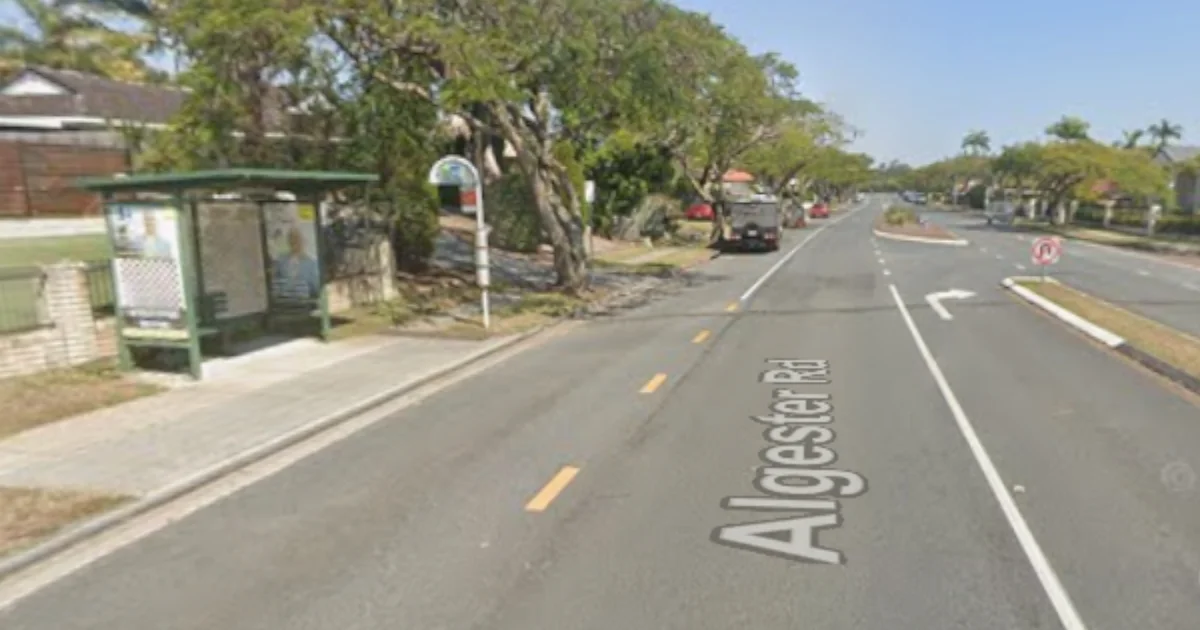
Route 131 from Parkinson recorded a 64 per cent increase in passengers in the first seven months after Brisbane’s mid-2025 bus network overhaul, following its merger with route P129.
Read: Speed Humps Proposed to Improve Safety Near Busy Parkinson Aquatic Centre
The express service departs from Algester Road at Parkinson East and travels through Algester, Sunnybank Hills, Sunnybank, Nathan and Griffith University before terminating at Alice Street at George Street in Brisbane City.
The surge was part of a wave of growth recorded across Brisbane’s newly redesigned bus network.
Brisbane’s growing bus network
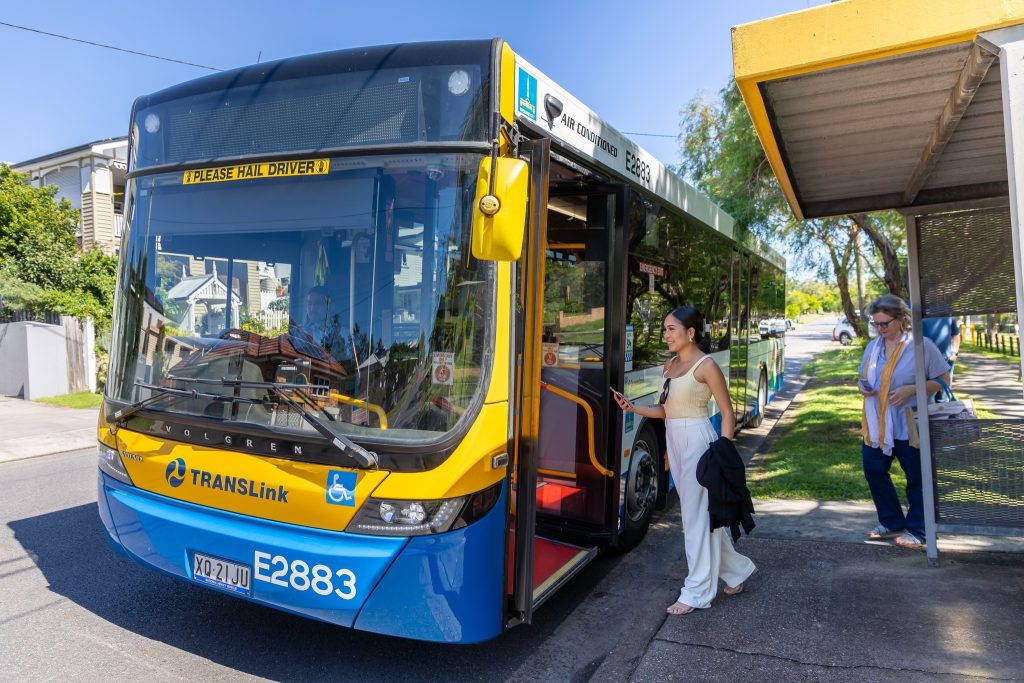
Route 131’s strong showing reflected a city-wide upswing in bus patronage since the network was overhauled. Brisbane City recorded more than 51.2 million bus and Metro trips in the first seven months following the mid-2025 changes, which is a 10 per cent rise compared with the same period the year prior. Zooming out further, Brisbane bus trips have grown by 27 per cent since the start of 2024.
Brisbane translated that growth into road terms, putting the figures at the equivalent of 3.9 million fewer private car trips, which is a calculation based on an average of 1.2 occupants per vehicle.
Cr Adrian Schrinner said the benefits extended beyond bus passengers, noting that every additional person on a bus or Metro removed one car from peak-hour traffic, easing congestion and improving travel times for everyone on the road.
How other routes fared
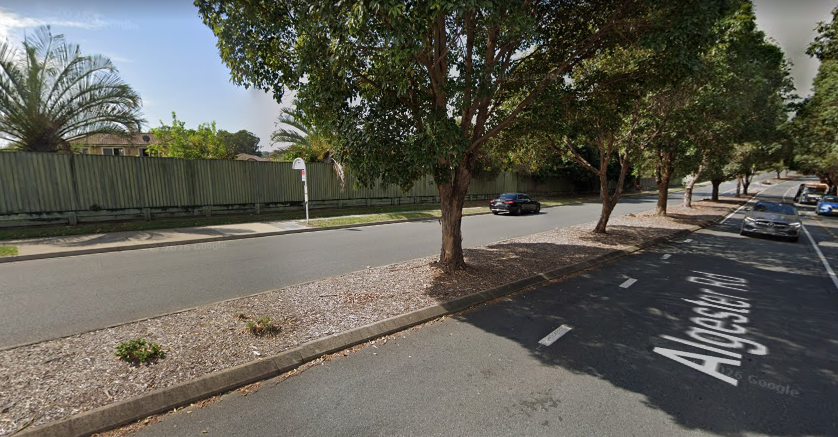
Route 131 was far from the only service to post gains. Across Brisbane, a number of redesigned routes drew significantly more passengers in the wake of the shake-up.
Route 107, converted to an all-day service running between Yeerongpilly and the city via Boggo Road busway station and South Bank, topped the network with a 190 per cent increase. Route 171 through Mount Gravatt, bolstered by higher frequency and longer hours, was up 115 per cent.
Route 205 from Carindale Heights, which moved from peak-only to all-day operations, saw ridership climb 97 per cent. The 185 from Upper Mount Gravatt, like the 131 the product of a route merger, matched its 64 per cent gain. The 116, extended to Upper Mount Gravatt, rounded out the list with a 47 per cent rise.
Where the changes fell short
Strong overall figures did not tell the full story for every passenger. Some residents say the revamped network created new problems for those who rely on buses outside standard hours.
One Moorooka resident pointed out that the 116, despite its extension to Upper Mount Gravatt, was restricted to every 30 minutes during peak hour, with Saturday services running hourly and finishing at 7pm, and no services on Sundays at all. They said the redesign had left non-drivers worse off, and flagged the 125 and 110 as similarly falling short, with neither running late enough to be useful.
Read: Young Man Critical After Serious Crash in Parkinson
A string of changes behind the numbers
The network redesign was one of a series of public transport shifts that have unfolded over the past two years. The state cut fares to 50 cents in August 2024. Brisbane’s first Metro service became permanent in January 2025. The overhauled bus network rolled out in mid-2025, and the Adelaide Street tunnel opened its doors in September 2025.
Brisbane City’s bus network moves around 80 million people a year and makes up more than two-thirds of the city’s total public transport usage.
Published 7-March-2026