

To stop urban sprawl from destroying Brisbane’s green spaces, planners are proposing to pack more housing into the existing footprints of Algester, Pallara, and Heathwood.
The proposed changes are currently open for community feedback until Friday, 20 March 2026. This review of low-medium density residential zones is a response to a massive housing shortage, with the city needing roughly 210,800 new homes over the next two decades. Local leaders want to hear if residents support these shifts or have concerns about how the updates might change the feel of their specific neighbourhoods.
Higher Density Near Transport Hubs
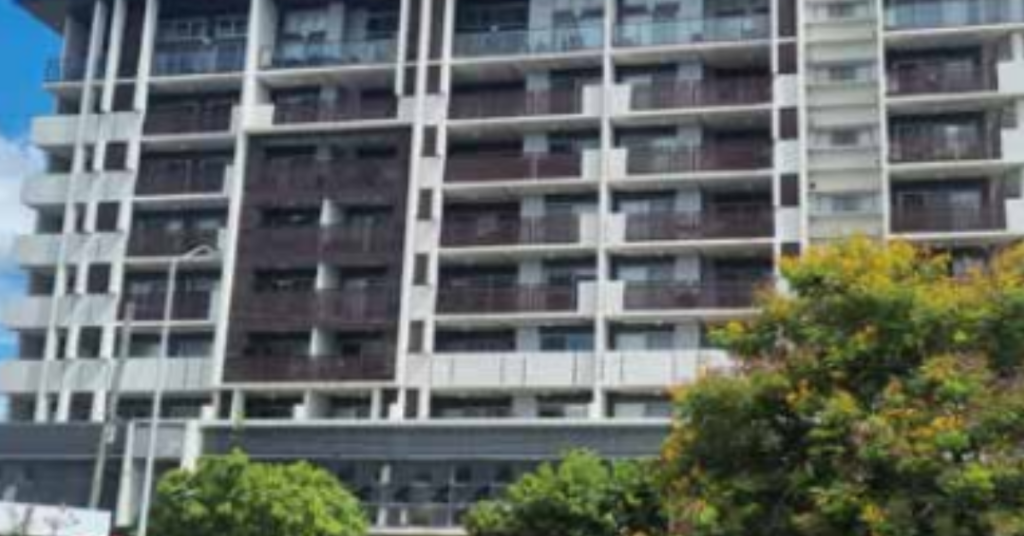
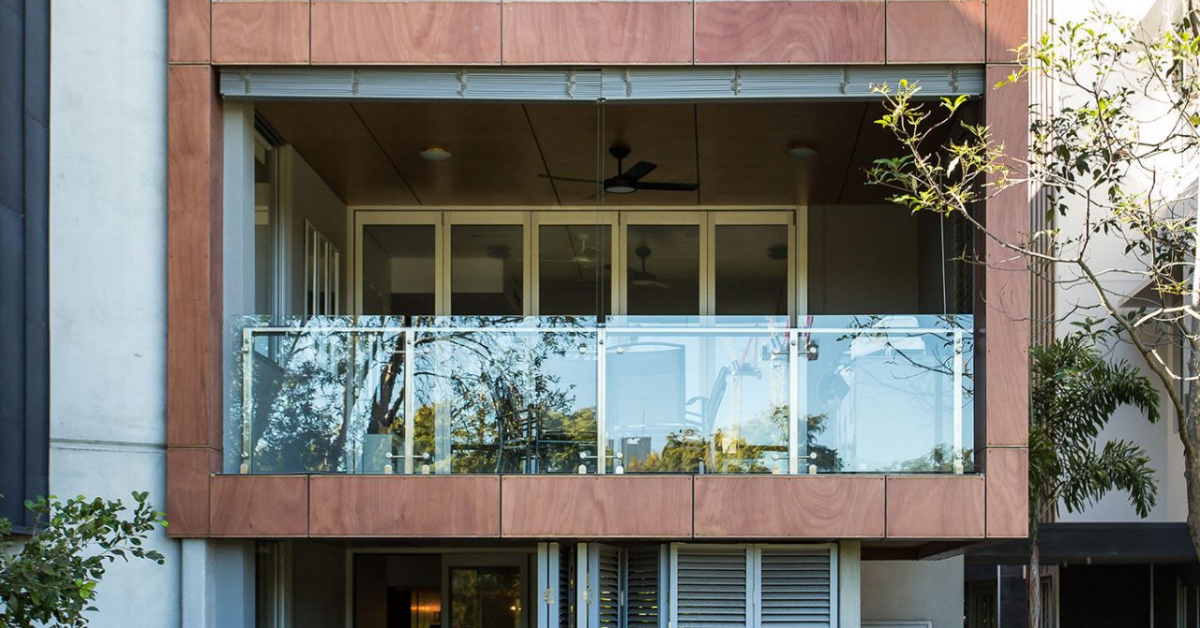
Planners are looking to increase building heights from the current two-storey limit to three storeys in many residential pockets. In certain spots, particularly those within walking distance of major shopping centres or high-frequency bus and train lines, buildings could even reach four storeys.
This strategy aims to place more people near the services they use daily, potentially reducing the time residents spend sitting in traffic during their morning commutes.
Smaller Lots for Smaller Households
Along with taller buildings, the Council is suggesting a major change to how land is divided. Minimum lot sizes could drop from 260 square metres to just 120 square metres for properties located within 400 metres of public transport. This shift reflects a changing Brisbane where more than half of all households are now made up of single people or couples without children.
Currently, the city lacks enough one- and two-bedroom options to house these smaller groups, leading to a mismatch between the types of houses available and what people actually need.
Managing Rapid Growth

These local changes are part of a much larger plan called the Sustainable Growth Strategy. Brisbane is attracting thousands of new residents from interstate and overseas every year, putting pressure on the rental market and house prices.
By allowing for more diverse housing types like townhouses and small-lot homes, the Council hopes to provide more affordable options for young buyers and older residents looking to downsize. This approach is intended to protect the city’s outer green spaces by focusing development in areas that already have the roads and pipes to handle more people.
Planning for the Future
The strategy also considers how the city handles major challenges like floods or future health crises. By creating well-designed, compact communities, the goal is to keep Brisbane a functional and vibrant place to live even as the population spikes. Residents are encouraged to view the highlighted maps of the affected precincts to see exactly where these height and size changes might occur before the consultation period ends later this month.
Published Date 09-March-2026