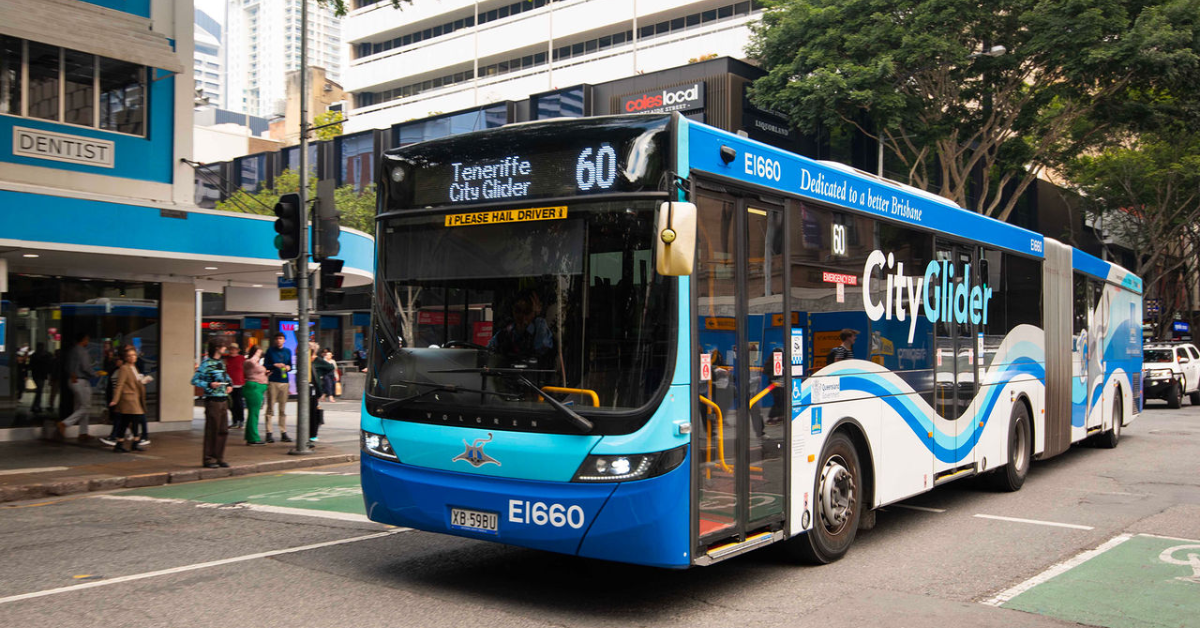
Commuters setting out from Larapinta face a gruelling 123-minute public transport journey to reach the city centre, highlighting the stark divide in everyday travel across outer Brisbane neighbourhoods.
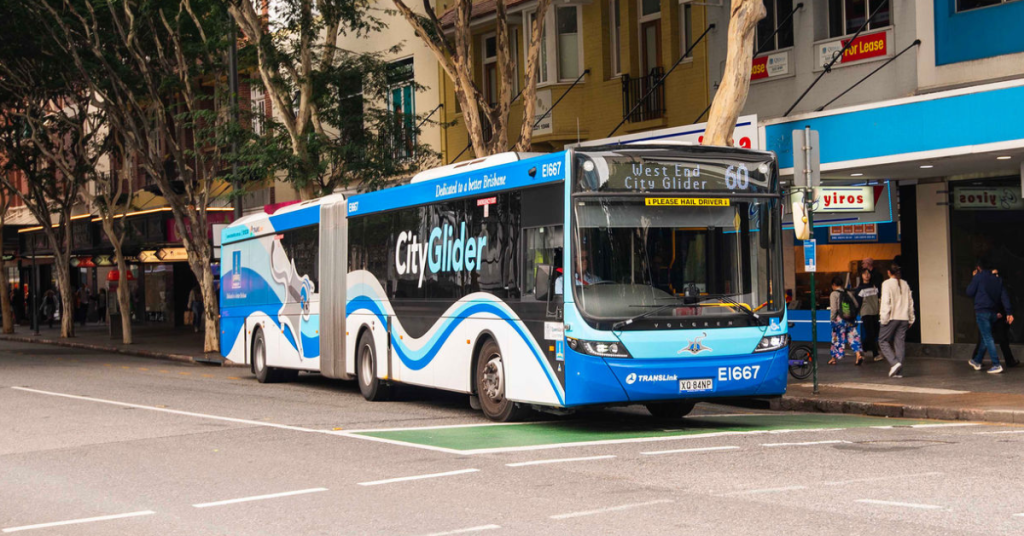
How does sheer distance stack up against actual infrastructure? While inner-city dwellers enjoy rapid transit links, outer fringe pockets often grapple with extended travel chains stretching well past the two-hour mark. Similar endurance commutes were mapped in remote pockets, capturing a 113-minute transit from Wights Mountain to Samford Valley and a 107-minute trek between Anstead and Kenmore.
Dedicated transit lines rewrite the rules entirely. Suburbs sitting directly on high-frequency rail corridors or dedicated busways often outperform residential zones much closer to the heart of the city. Zillmere proves this point well. Positioned roughly 14 kilometres out, a direct train connection allows it to outpace several inner-ring locations bogged down by everyday road congestion.
Proximity offers no guarantees. Pockets located mere kilometres from the centre still encounter sluggish travel times when relying heavily on winding local roads or indirect neighbourhood services. Population density dictates these outcomes. Traditional fixed-route services thrive in densely populated neighbourhoods where thousands of residents live within a short stroll of a stop. In lower-density communities, transport designers face the difficult task of balancing direct routes with community access, often resulting in winding paths and extra stops that slow down the journey.
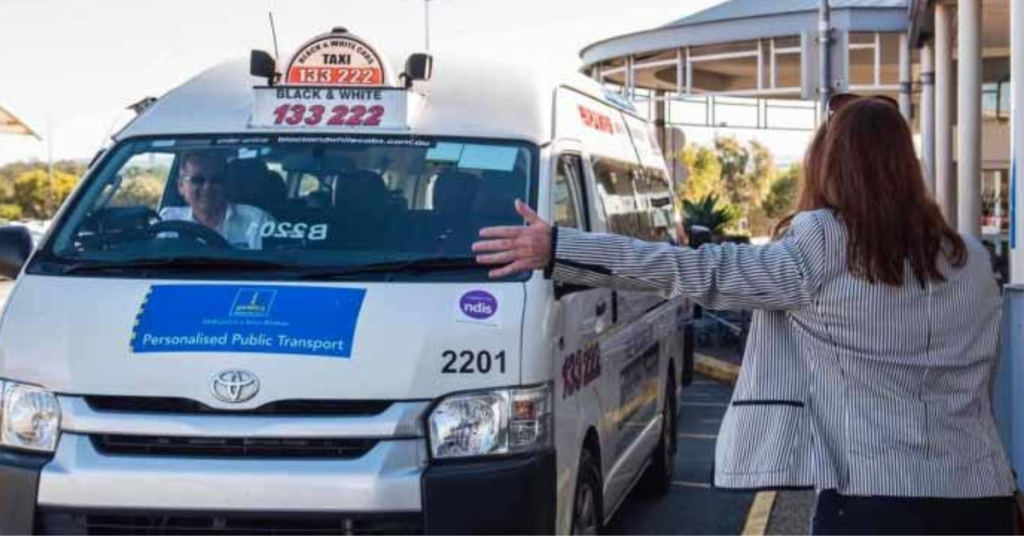
Building entirely new heavy rail corridors to service sparsely populated outer zones remains financially unfeasible. Instead, experts advocate for increasing housing density around established transport hubs to ensure more residents can access rapid transit without relying on indirect routes.
Can public transport truly beat the car? Across the metropolitan area, it successfully beat private vehicles in dozens of suburbs, particularly those anchored by reliable train lines. Bowen Hills, Fortitude Valley, Milton, Newmarket, South Brisbane, Taringa, Northgate, and Wilston recorded the fastest transit trips into the CBD, all relying on trains that outpaced peak-hour driving times.
Pockets like Upper Brookfield struggle with a complete lack of practical transit options, having no stops within a ten-minute walk and requiring a lengthy journey just to reach the nearest train station. Meanwhile, transport authorities and local councils report rising patronage numbers, driven in part by discounted fare trials and ongoing network upgrades aimed at keeping commuter traffic moving smoothly across the region.
Published Date 19-August-2026