

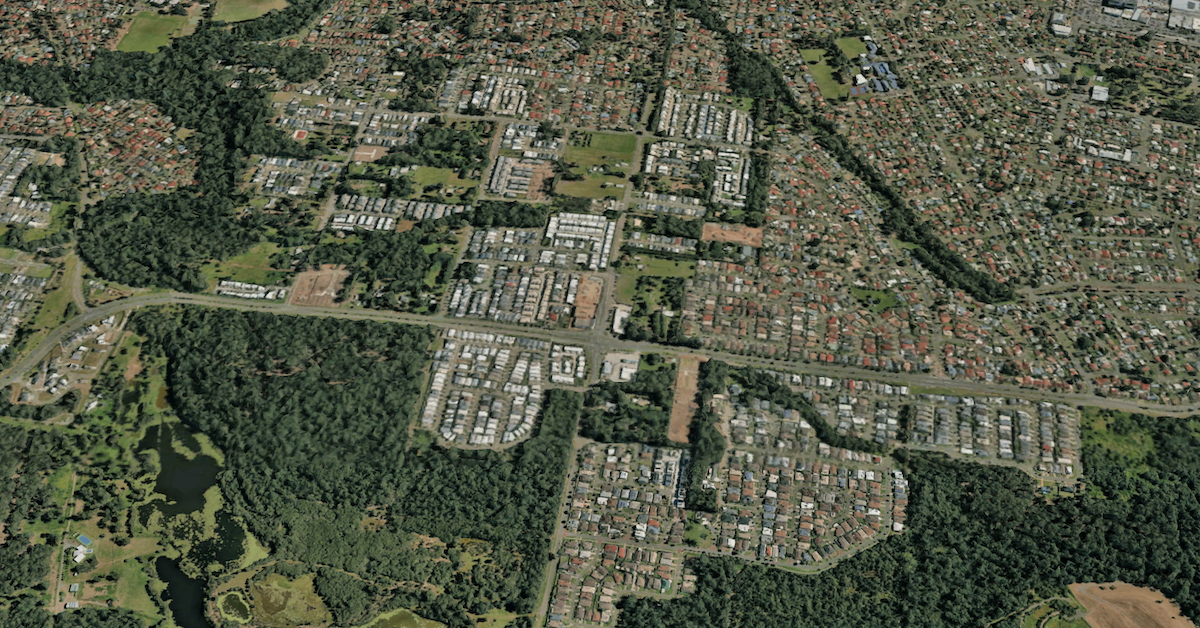
For years, Doolandella has often drawn less attention than nearby suburbs such as Forest Lake and Inala. But that is beginning to change.
New residential developments, including townhouse projects and land releases, are continuing across the suburb as Brisbane’s outer south-west expands. At the same time, demographic changes and migration are reshaping the community, turning Doolandella into one of the city’s increasingly diverse outer suburbs.
While neighbouring areas built stronger public profiles earlier, Doolandella has quietly recorded strong population growth in recent years. According to data published by OpenAgent, the suburb’s population increased from 4,817 in 2016 to 7,123 in 2021.
Its growing appeal appears linked to newer housing supply, motorway access and family-style suburban living, or factors that may raise the growing interest from younger families and property investors looking at Brisbane’s outer suburban market.
New Housing Projects Are Changing the Shape of the Suburb
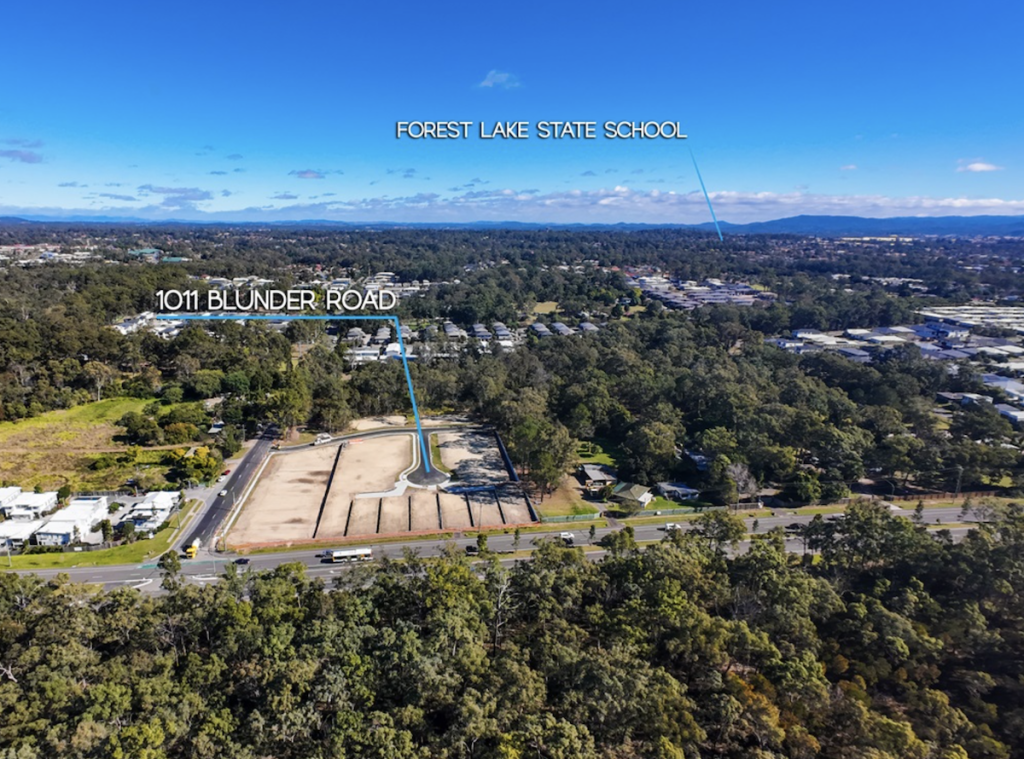
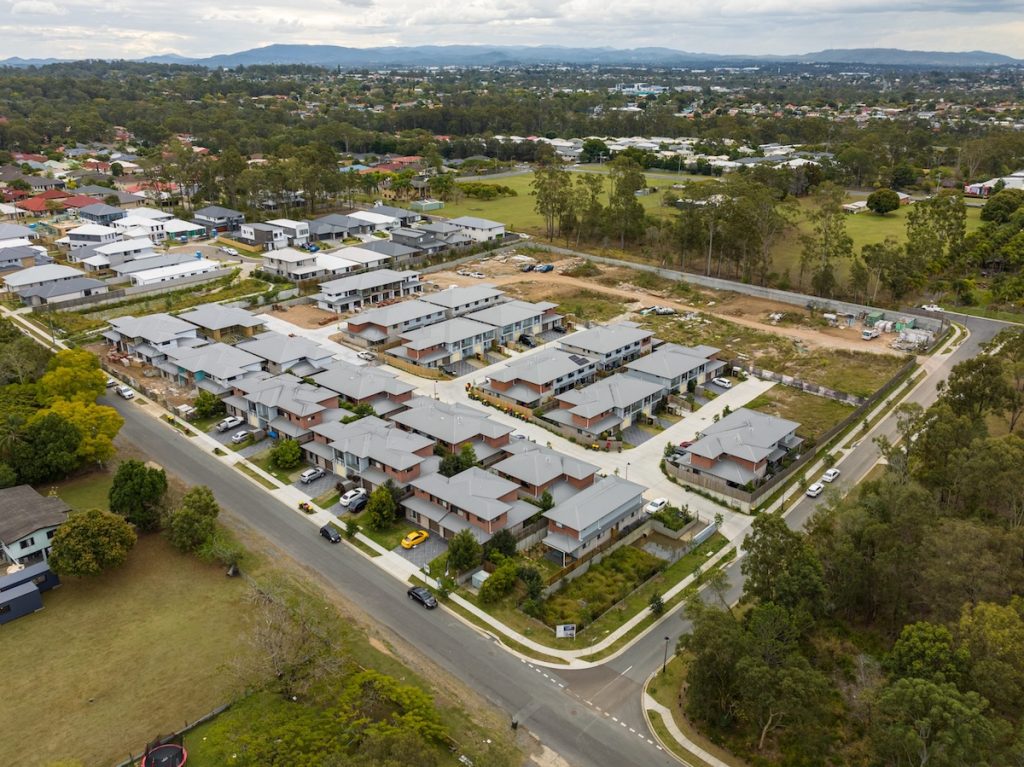
Unlike many older Brisbane suburbs where available land is limited, Doolandella continues to see new residential construction and medium-density housing projects.
Property platforms have increasingly highlighted the suburb because of its younger demographic profile and continued residential development. Data from Your Investment Property Magazine shows the suburb has a strong concentration of residents aged between 30 and 39, with couples and families making up a significant part of the population.
The suburb’s location has also become an important drawcard for residents who need access to employment areas across Brisbane’s south-west corridor. Doolandella sits close to the Logan Motorway and Ipswich Motorway, giving residents easier travel connections to surrounding suburbs and industrial areas.
Although the suburb has grown rapidly, it remains largely residential in character. Streets of newer homes and local parks continue to shape its family-oriented image.
Residential projects such as Clover Gardens and Golden Grove Townhouses point to continued confidence in Doolandella’s long-term housing growth.
Migration and Cultural Diversity Are Reshaping Community Life
But housing growth is only part of the story unfolding in Doolandella.
The suburb’s cultural makeup has changed significantly over the past decade, reflecting broader demographic shifts taking place across Brisbane’s south-west.
Earlier census data identified Vietnamese residents among the suburb’s largest overseas-born groups, while Vietnamese was also listed among the most commonly spoken languages at home.
According to demographic information published through AreaSearch, population growth in the area has continued steadily in recent years as Brisbane’s outer suburbs expand.
Multiple languages are now spoken across the community, reflecting the suburb’s increasingly multicultural population. Doolandella also sits near Inala, which has long been recognised as an important centre of Vietnamese community life in Brisbane’s south-west.
Research examining the history of Vietnamese settlement in Australia, published through ResearchGate, notes that Vietnamese Australian communities have expanded over decades through family migration, community networks and business development.
Churches and Community Centres Reflect Long-Term Growth
The growth of community infrastructure has become one of the clearest signs of demographic change across Brisbane’s south-west corridor, includinging Doolandella.
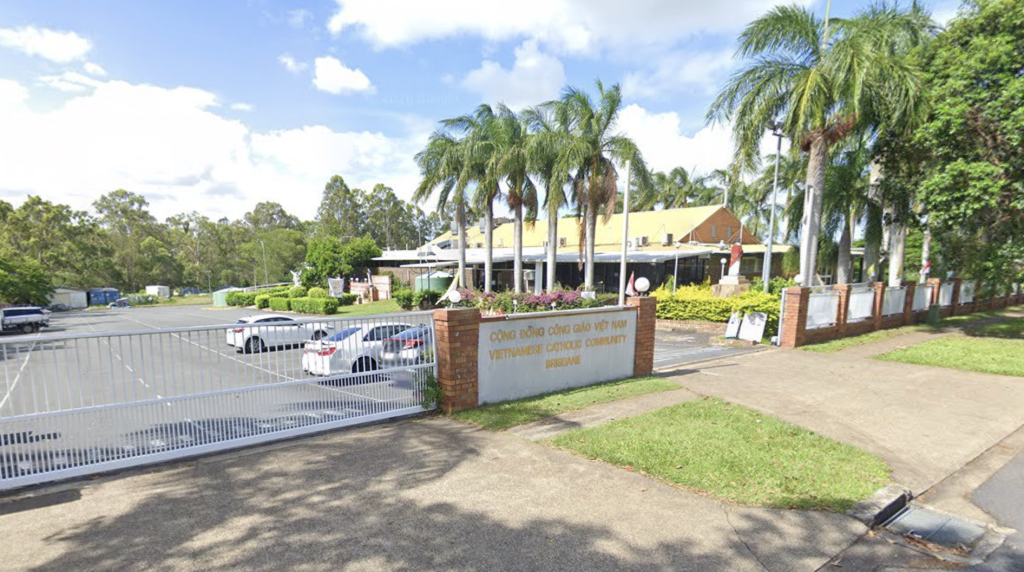
In 2024, Brisbane’s Vietnamese Catholic community opened a major new church precinct following years of planning and fundraising. The development has been linked to increasing youth participation and growing demand for larger community spaces.
Cultural traditions also continue to play an important role in Vietnamese Australian community life. Information published by the Ethnic Communities Council of Queensland notes that celebrations such as Tet, faith gatherings and shared food traditions remain central parts of community identity across Queensland.
The suburb may still lack the profile of some neighbouring areas, but the population growth, residential development and changing demographics suggest it is becoming an increasingly important part of Brisbane’s outer suburban story.
Published 27-May-2026