




Experts warn that the coming bushfire season could bring about increased risk for asbestos contamination and exposure if the community does not implement proper safety measures and avoid improper disposal or illegal dumping, similar to a Forest Lake incident that caused much concern last year.
Warnings Rise With the Approach of Summer
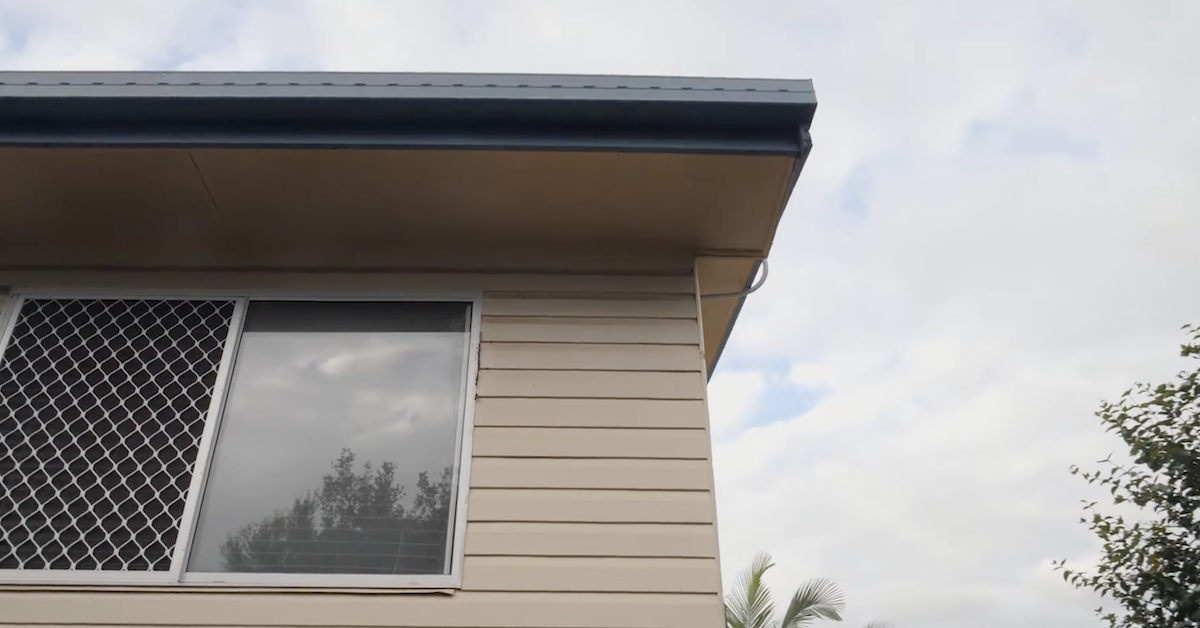
National Asbestos Awareness Week (24-28 November) has placed new focus on the risk facing Queensland households as temperatures rise and conditions become drier. Many homes built before 1990 still contain asbestos in roofs, eaves, walls, and older utility areas, and these materials often become weaker as they age.
According to EDP Consultants Managing Director John Batty, asbestos becomes far more hazardous in summer because heat, wind and impact can cause older sheeting to break apart. Mr Batty has explained that the danger increases when bushfires occur, as asbestos cement can crack, split or burst under high temperatures. When this happens, thin fibres can become airborne and travel across nearby yards, roads and waterways.
Experts say this hazard is often underestimated. While asbestos is well known as a dangerous building material, many homeowners do not realise how fast it can spread during a fire. The fibres are too small to be seen and can move long distances when carried by smoke, ash or wind.
This makes older suburbs like Forest Lake more vulnerable, especially where homes, sheds or fences may contain asbestos installed decades ago. Specialists note that even a small fire can cause damage that contaminates a wide area.
Past examples from Sydney have shown how asbestos contamination can spread well beyond the site of an incident. In one case, a roof was damaged during high-pressure cleaning, sending asbestos fragments across several nearby yards. In another, a factory fire raised fears that airborne fibres had travelled through residential streets.
Forest Lake Incident Highlights Local Vulnerability
In June 2025, the Forest Lake case highlighted serious issues around illegal waste disposal. A raid uncovered a large pile of mixed construction debris, including asbestos, dumped in bushland. This discovery prompted alerts to the Pollution Hotline and required multiple agencies to investigate.
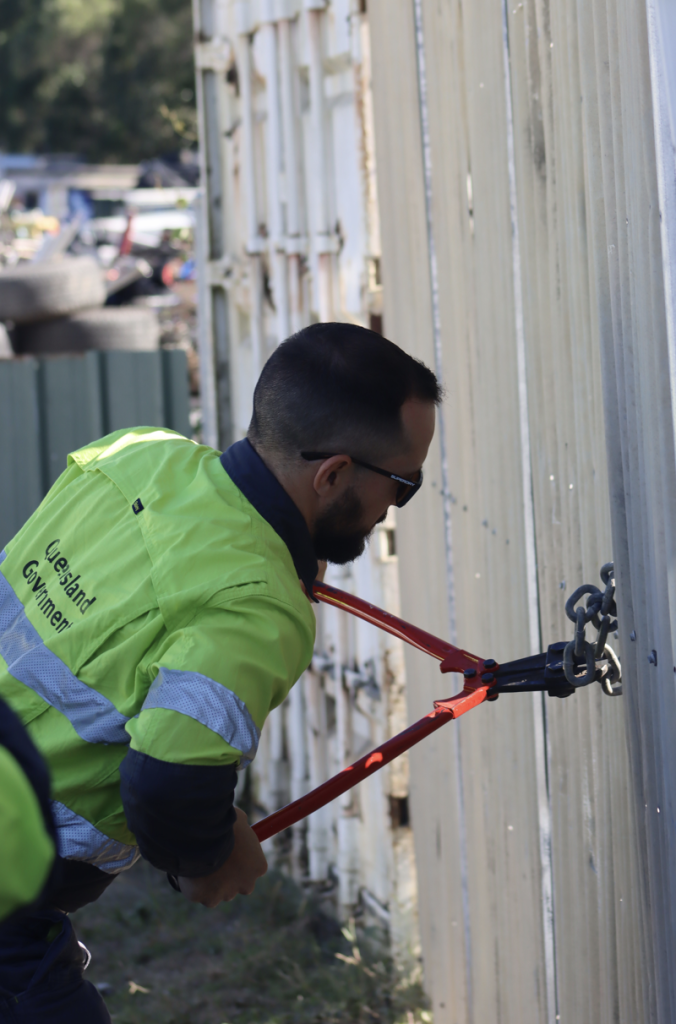
Nearby residents were worried about how long the waste had been there and whether weather conditions had disturbed it. Investigators confirmed that this was a serious violation of waste rules. The incident showed how quickly asbestos can re-enter communities when it’s not disposed of properly.
Forest Lake is a family-friendly suburb with many walking tracks and green spaces. This case raised important questions about how hazardous materials are handled and monitored. It underscored the importance of safe handling during renovations and whenever older building materials are removed or moved.
Safety experts are using the Forest Lake case to encourage residents to check their surroundings, especially older sheds, fences, and home extensions. They explain that asbestos can stay safe if left undisturbed but becomes dangerous if disturbed. Problems like illegal dumping, storm events, or accidental damage can release harmful fibres. When combined with dry summer conditions or nearby fires, the risks increase significantly.
What Homeowners Are Being Told to Do
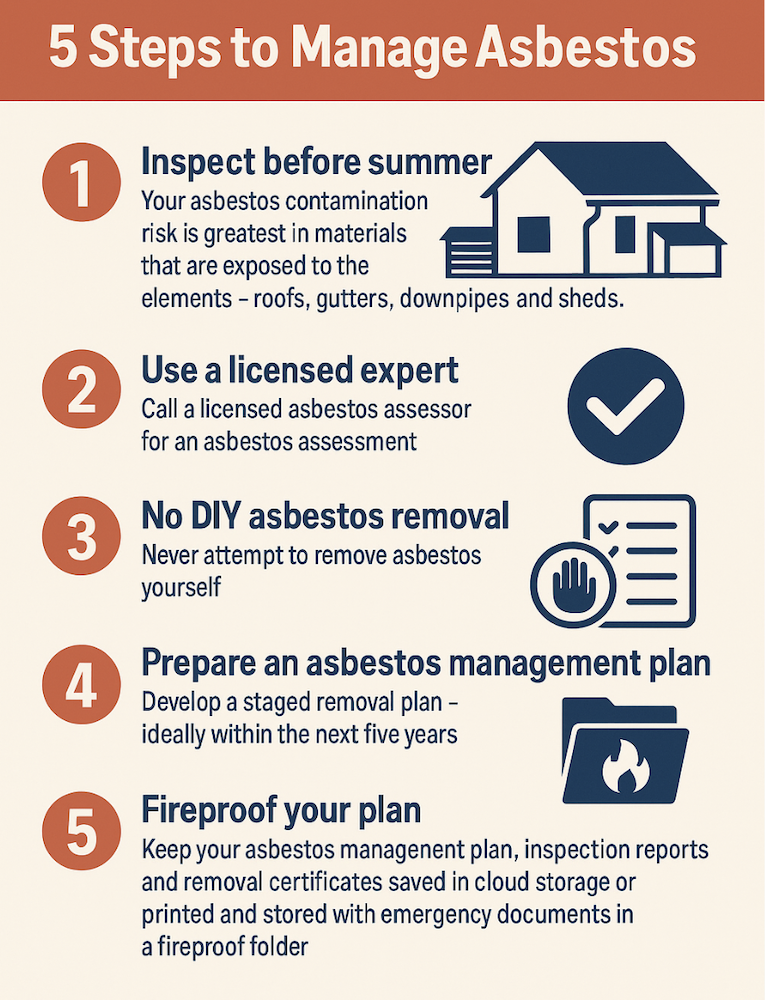
Mr Batty recommends developing an asbestos management plan, which outlines where asbestos is found, what state it is in and how it will be handled in the future. The experts are advising residents to arrange inspections of older roofs, gutters and outdoor structures before conditions worsen.

Photo Credit: Supplied
Keeping inspection reports, removal records and safety paperwork in a secure place can also help emergency crews during bushfires or severe weather events. Licensed asbestos professionals can identify where materials are located, assess their condition and recommend safe steps for managing or removing them.
Homeowners are reminded not to attempt any kind of do-it-yourself removal. Incorrect handling can lead to fibres spreading throughout the property and entering soil, pools or garden beds. Improper disposal can also result in fines or investigations, as seen in the Forest Lake dumping case. Specialists say using licensed removal contractors is the only safe option and ensures that the waste is transported to approved facilities.
As bushfire conditions intensify, experts want households to understand the risks and take steps to protect their property and their neighbors. They say awareness is one of the best tools available. By addressing asbestos risks before summer peaks, communities can lower long-term contamination and help keep families safe.
Published 25-Nov-2025