

Two Local Students Are About to Become the First in Their Families to Go to University

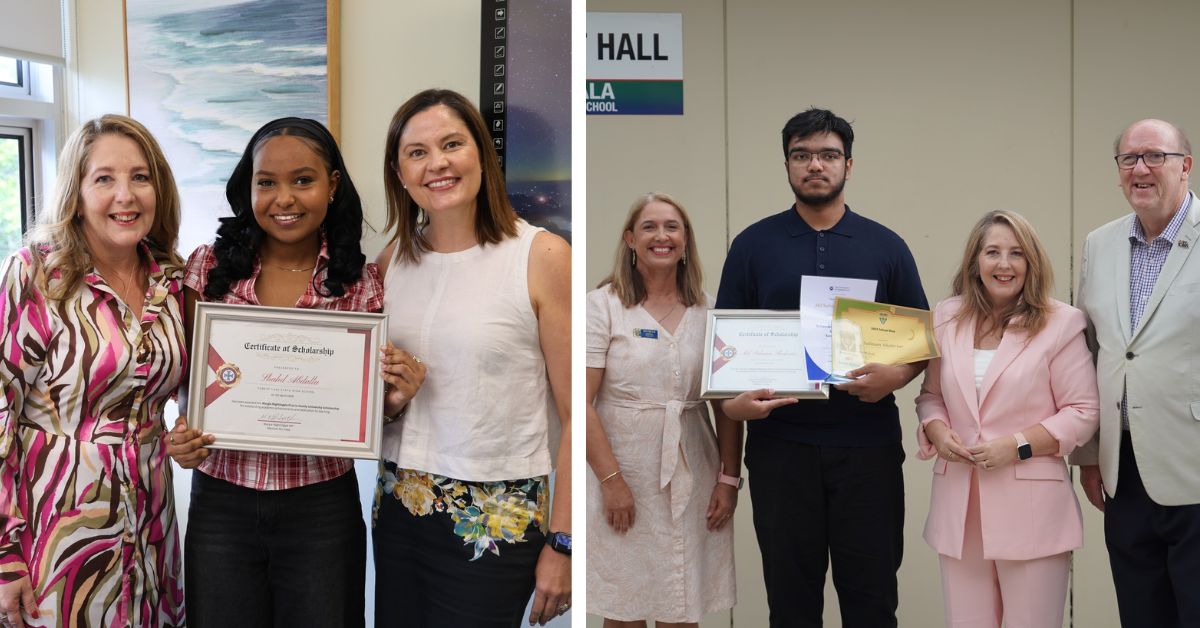
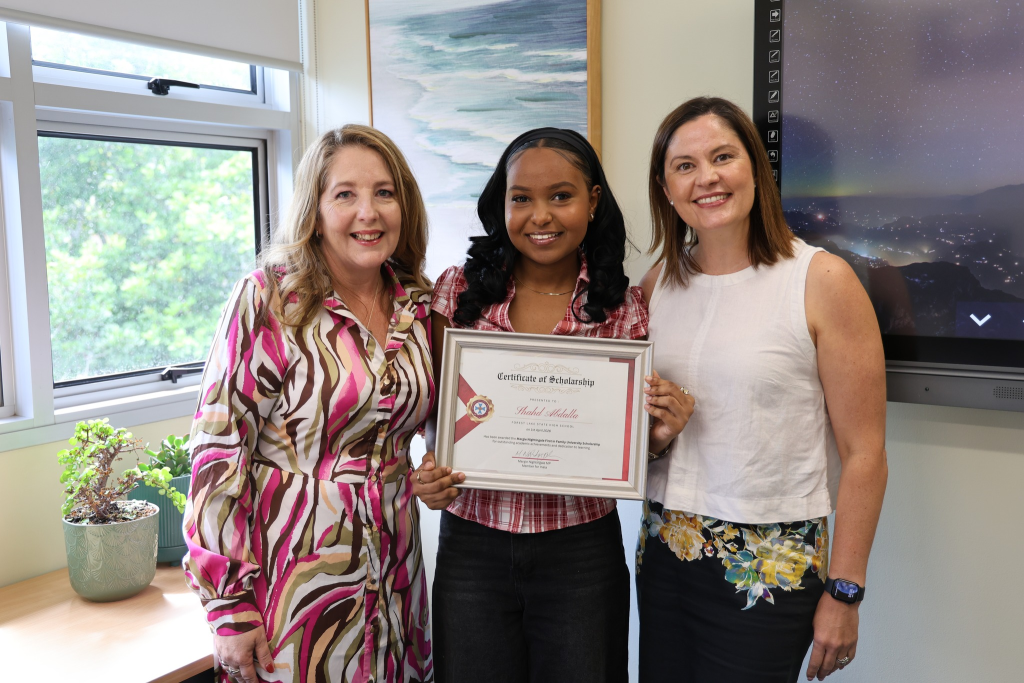
Shahd from Forest Lake State High School and Salman from Glenala State High School have been named the 2026 recipients of the First-in-Family Bursary, a local initiative designed to help young people take the step into higher education when no one in their family has done it before them.


Both students will be the first in their families to attend university, a milestone that carries a particular kind of weight. There is no parent who has been through orientation week, no sibling who can explain how HECS works, no family shorthand for navigating the early months of a university degree.

The bursary exists precisely for students in that position, covering the upfront costs that can derail a capable student before they even begin: textbooks, technology, equipment and other essentials.

For Shahd and Salman, the recognition is a signal that the talent and determination they have brought to their studies at Forest Lake State High School and Glenala State High School respectively has not gone unnoticed in their own community.

Two Schools, Two Suburbs, One Step That Changes Everything

Forest Lake State High School has served the western suburbs of Brisbane since 2001, building a reputation across academic and sporting programmes for over 1,600 students in Years 7 to 12. The school draws from a broad and diverse community, and Shahd’s selection reflects the kind of academic drive the school works to cultivate.
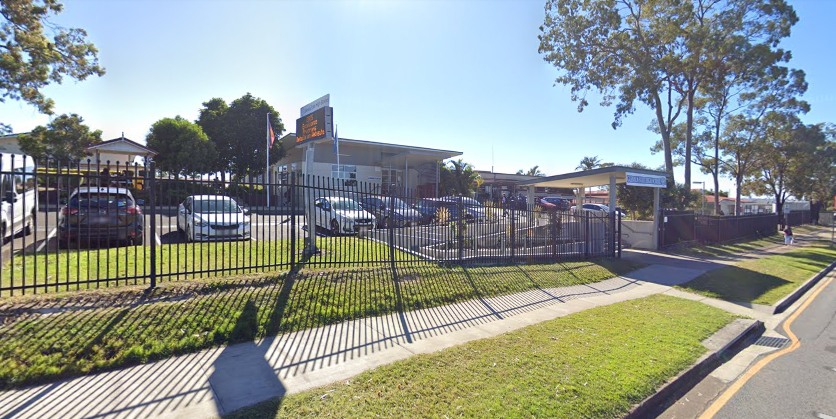
Glenala State High School in Durack has been a cornerstone of the Inala and Forest Lake area since 1996, formed from the amalgamation of Inala State High School and Richlands State High School. Its motto, “Believe and Achieve,” and its four core values of respect and responsibility, commitment to learning, pride and perseverance frame a school that serves some of Brisbane’s most culturally diverse communities. Salman’s path to university through Glenala is the kind of story that school motto was written for.
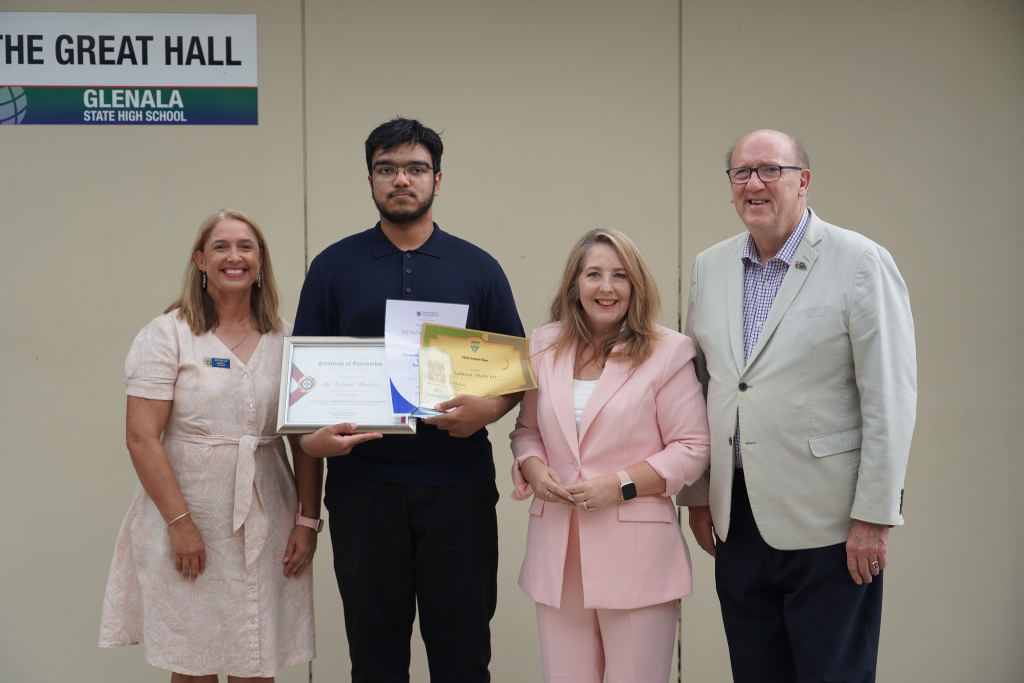
Both schools sit within the same community, a south-western Brisbane corridor where families from many different cultural and linguistic backgrounds have built their lives, and where being the first in a family to attend university is not unusual. It is, in many of these households, a quiet aspiration held for years before someone finally makes it real.

Helping Students Get Started

The bursary targets that gap directly, providing recipients with a one-off payment to establish a financial foundation. By covering these initial costs, the initiative ensures students focus on their studies rather than their bank balances from day one. The intent is not just to support the two individuals receiving it but to open a pathway for the generations that follow.
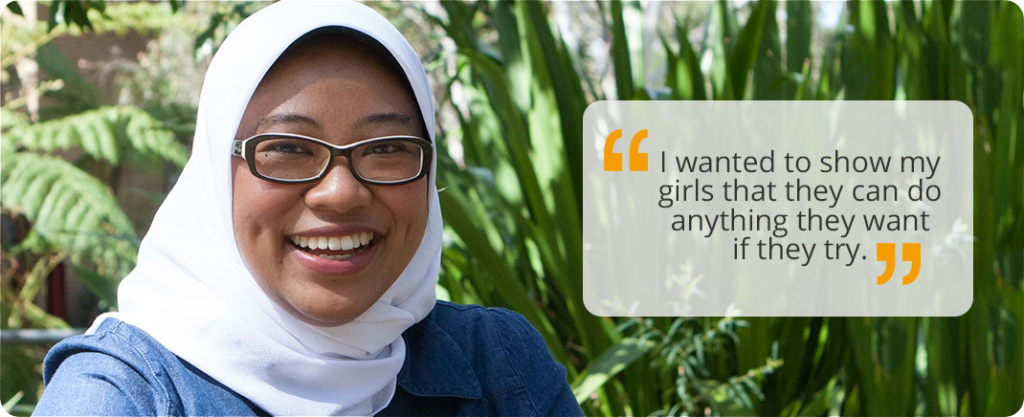
Photo Credit: First in Family

This practical support addresses a significant hurdle. Textbooks, a laptop, software licences, transport costs and enrolment fees can add up to hundreds or even thousands of dollars in the first weeks of semester. For a student without family experience in higher education, there is often no roadmap for managing those early expenses.

“Being the first in a family to attend university can be daunting, but with the right support and encouragement, it can also be life-changing,” the bursary announcement noted.

A Community Initiative from a Local Who Knows the Path

The First-in-Family Bursary is a personal initiative of Ms Margie Nightingale, the local member for the Inala electorate, which covers Forest Lake and the surrounding suburbs. Ms Nightingale has deep roots in the area, having grown up in Inala, attended local schools and raised her family in the community. She was herself the first in her family to attend university, a connection to this bursary that goes beyond policy.

The bursary reflects a view of community that is anchored in long-term investment: that supporting one student through a financial barrier at the right moment can ripple forward through families and communities for decades. Both Shahd and Salman represent, in Ms Nightingale’s words, “the talent, determination and potential that exists right in our electorate.”

Forest Lake State High School can be contacted at admin@forestlakeshs.eq.edu.au. Glenala State High School can be reached at admin@glenalashs.eq.edu.au.


Published 25-April-2026
Durack’s Glenala State High Still Waits on Olympic Courts

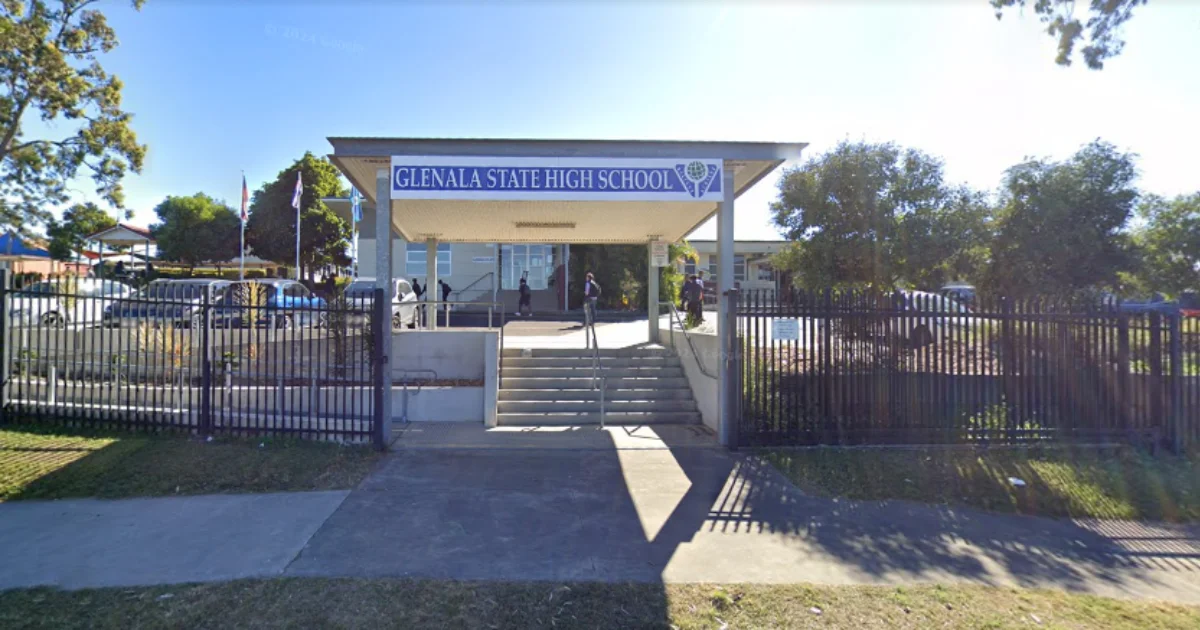
Students at Glenala State High School in Durack are still waiting for covered outdoor courts that were meant to be completed by the end of last year. With early 2026 now passed, no confirmed start date has been announced for the school’s courts.


Read: Durack School Waits as Olympic Preparation Project Falls Behind Schedule


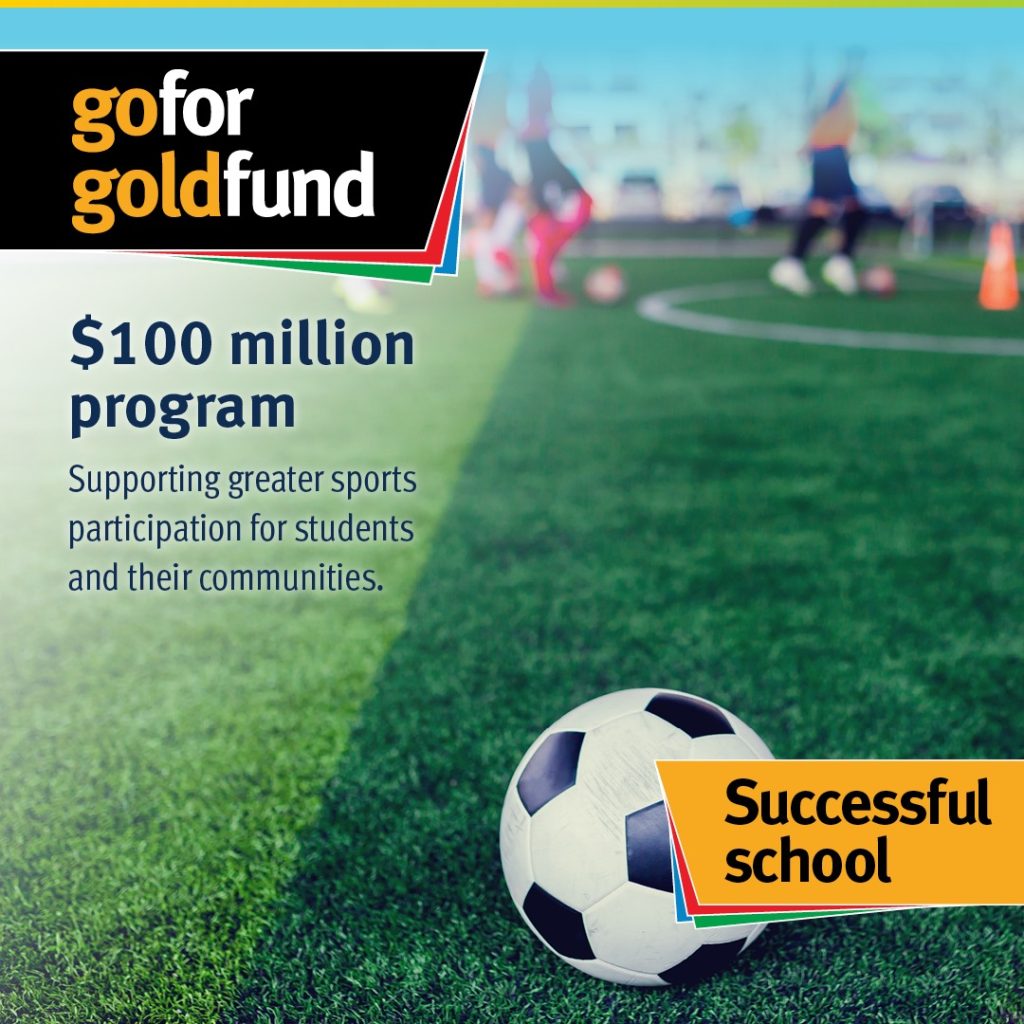
Glenala is one of six Queensland schools awarded Category 3 funding under the Go for Gold program, with grants of between $2.5 million and $5 million earmarked for new or upgraded sports infrastructure in the lead-up to the Brisbane 2032 Olympic and Paralympic Games. Category 3 projects are valued at between $2.5 million and $5 million. For Glenala, that funding was slated to deliver covered outdoor multipurpose courts designed to expand training spaces for the school’s netball program.

Photo credit: Facebook/Glenala State High School

The original plan had all Category 3 projects completed by December 2025. Not a single one of the six Category 3 schools had broken ground by late last year, according to previous reporting by Over the Walter Taylor Bridge. 

Photo credit: Google Street View

The Education Department has since revised its timeline, with construction now expected to begin sometime in 2026 and completion pushed to the end of the year. That revised start date remains subject to weather conditions, market capacity, and construction schedules.


Read: Childcare Centre And Subdivision Proposal Remains Under Review In Doollandella


For Glenala, the delay has practical consequences. The school runs a netball excellence program, and without the planned courts, students remain without the dedicated training facilities the upgrade was intended to provide. Adequate sporting infrastructure matters both for students on elite pathways and for the broader school community.

The Go for Gold program was designed so that Queensland students could benefit from Olympic legacy infrastructure well before the Games arrive in 2032. For Glenala and the broader Durack community, the timeline for seeing that investment materialise remains unclear.

Published 27-March-2026

Inala, Durack, and Richland Conduct Anti-Mosquito Spraying Blitz Due to Japanese Encephalitis Threat

Over 70 suburbs in Brisbane, including Inala, Durack, and Richland, have had an anti-mosquito spraying blitz to ward off threats of the mosquito-borne virus, Japanese encephalitis.


The spraying blitz happened in early March following reports of the first confirmed case in Queensland since 1998, who was treated at the Prince Charles Hospital.

Per Brisbane City Council, the following locations have been targeted for the spraying blitz whilst experts continued to monitor the mosquito traps across the city. Clinicians in the region have been on high on alert as well since the infections of the mosquito-borne virus do not usually present any symptoms.

Albion
Alderley
Anstead
Ashgrove
Bald Hills
Balmoral
Banyo
Bardon
Beachmere
Bellbowrie
Belmont
Brighton
Brisbane Airport
Brisbane City Council
Bulimba
Burbank
Camp Hill
Cannon Hill
Carina
Carindale
Carseldine
Chelmer
Clayfield
Clontarf
Corinda
Darra
Deagon
Deception Bay
Durack
Enoggera
Everton Park
Ferny Grove
Fitzgibbon
Gaythorne
Graceville
Grange
Gumdale
Hemmant
Hendra
Holland Park
Holland Park West
Inala
Karana Downs
Keperra
Kippa-Ring
Kuraby
Macgregor
Mackenzie
Mango Hill
Manly West
Milton
Mitchelton
Moggill
Moreton Bay Council
Morningside
Mt Crosby
Mt Gravatt East
Murarrie
Ningi
Norman Park
Oxley
Pinjarra Hills
Pinkenba
Port of Brisbane
Redland Council
Richlands
Rothwell
Sandgate
Sandstone Point
Seven Hills
Seventeen Mile Rocks
Sherwood
Shorncliffe
St Lucia
Taringa
The Gap
Tingalpa
Toorbul
Toowong
Upper Mt Gravatt
Victoria Point
Wellington Point
Wynnum
Wynnum West

What is Japanese Encephalitis?

Japanese encephalitis presents as an inflammation of the brain but most of the infected usually suffer from mild symptoms only, such as headache or fever. In rare or extreme cases, the infected might experience high fever and chills, vomiting, sensitivity to light, neck stiffness and severe headache.

The virus is transmitted only through an infected mosquito bite that may manifest symptoms within 5 to 15 days of the infection. Claims that the Japanese encephalitis outbreak in Austalia may be due to the Pfizer vaccine has been debunked by the RMIT FactLab. University of Queensland virologist Jody Peters reiterated that humans may only contract the virus from a “Japanese encephalitis virus-infected mosquito.”

Protecting Yourself

Nonetheless, health agencies are encouraging people to take extra measures to reduce their risks. The Australian Department of Health advice the following:

  • applying and regularly reapplying an effective insect repellent on exposed skin
  • wearing long, loose fitting clothing when outside
  • ensuring accommodation, including tents, are properly fitted with mosquito nettings or screens
  • using insecticide sprays, vapour dispensing units (indoors) and mosquito coils (outdoors) to clear rooms and repel mosquitoes from an area
  • covering all windows, doors, vents and other entrances with insect screens
  • removing any water-holding containers where mosquitoes may breed

The best mosquito repellents to use must contain diethyltoluamide (DEET), picaridin, or oil of lemon eucalyptus. 


Subsequently, locals may be immunised against JE. Distribution and administration of the vaccines will be focused on at-risk groups, such as workers in piggeries, pork abattoirs, or pork-processing plants, laboratory workers who could be exposed to the virus, environmental health workers, and people who reside in locations with confirmed cases.  

The vaccines are expected to be available from late March to April through the Communicable Diseases Network Australia.