A man has been sentenced to jail after causing a devastating crash in Forest Lake last year while driving under the influence of cocaine and alcohol at extreme speeds.
Jacobus Devon Vanderkruk, 28, received a five-year jail sentence with suspension after 18 months when he appeared in Brisbane’s District Court on Thursday, 27 November. He was also disqualified from driving for five years.
The court heard Vanderkruk had been at a party when he offered to drive a friend’s Mercedes-Benz CLA45 AMG coupe to a bottle shop, taking three passengers with him.
Photo Credit: QAS
Despite having consumed cocaine and alcohol, Vanderkruk drove at speeds between 120 km/h and 150 km/h along streets with 60 km/h speed limits. His frightened passengers asked him to slow down before the collision occurred.
The Mercedes collided with a Toyota LandCruiser being driven by a 52-year-old woman who was returning home. The impact was so severe that the Mercedes engine was torn from the vehicle’s chassis.
Four people sustained serious injuries in the crash. A 20-year-old female passenger lost a kidney, suffered spinal fractures and required partial colon removal. Two male passengers, both 22, sustained severe injuries including a torn lung, fractured ribs and sternum for one, and a broken arm for the other. The LandCruiser driver suffered ankle fractures, lung injuries and other trauma.
The court was told that at least three of the injured parties would have died without surgical intervention.
Vanderkruk tested positive for cocaine and had an estimated blood alcohol content of at least 0.08 at the time of the crash. He also sustained injuries, including a fractured femur, and has developed post-traumatic stress disorder.
Judge David Kent noted that Vanderkruk’s letter of apology was among the best he had seen and accepted that the defendant showed genuine remorse. Vanderkruk pleaded guilty early to charges including dangerous driving causing grievous bodily harm while intoxicated, excessive speeding, and drink and drug driving.
The judge acknowledged that while Vanderkruk had a poor traffic history, a report indicated he posed a low risk of reoffending if he addressed his alcohol problems.
Vulnerable families in Forest Lake and Inala are receiving critical support through a multi-million dollar funding effort led by two major local community hubs.
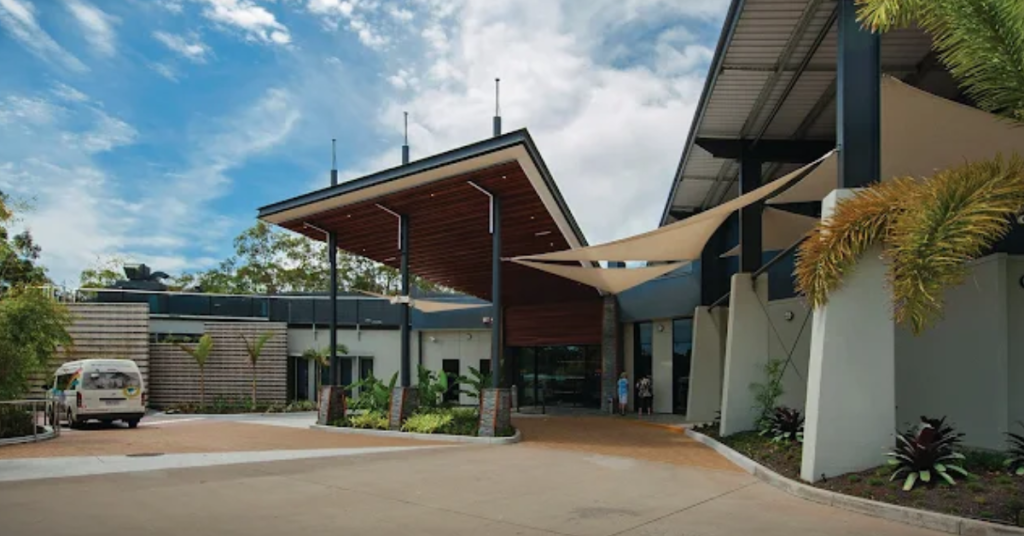
Heritage Bank’s Forest Lake Branch recently marked a significant milestone in its ongoing partnership with Forest Lake One Community (FLOC). Since the branch began operations in 2005, it has handed out more than $1.5 million in grants to groups within its local boundary. This area covers suburbs including Doolandella, Durack, Richlands, and Willawong. The branch operates as a joint venture, and Branch Manager Sanjh Prasad noted that the location was specifically created to return profits to the people who live there.
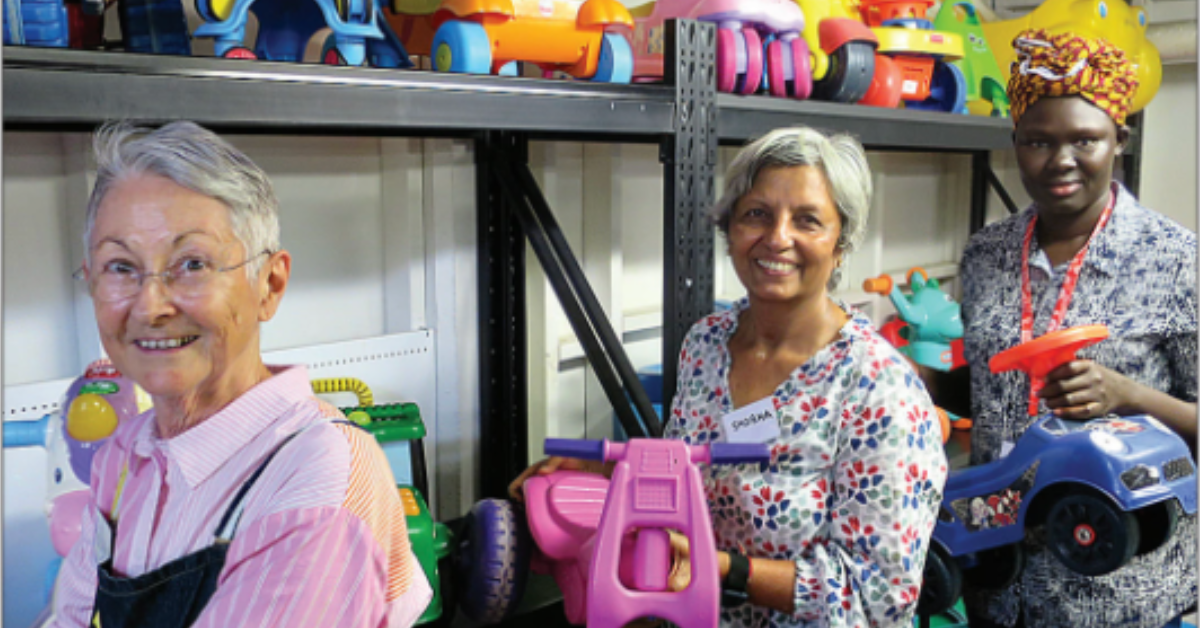
Every two months, the branch and FLOC select local non-profits to receive financial aid. In early October, more than $5,000 was shared among three key groups. One of these recipients was the Brisbane South Toy Library in Richlands. Operating on Tuesday and Saturday mornings, the library functions much like a traditional book library but for toys. It allows children aged six months to 12 years to borrow from a collection of hundreds of items. The service aims to reduce plastic waste and lower expenses for parents, while also creating a friendly space for families to gather.
Comfort for those in Need
Another portion of the recent grant went to Pillowcases for Oncology. This volunteer group sews and donates pillows to children who are undergoing or recovering from cancer treatments. The goal is to provide physical comfort to young patients while they are in the hospital. Dan Baldwin from FLOC mentioned that this charity was personally significant to him, and he felt proud to back an initiative that helps so many families during difficult times.
The third recipient was the National Seniors Australia Forest Lake Branch. This group supports residents over the age of 50 by offering access to financial advice and opportunities for social connection. The funding helps them continue providing these essential services to their members.
In the neighbouring suburb of Inala, the Blue Fin Fishing Club has also made substantial contributions. Over the last 13 years, the club has donated $2.85 million to the area. General Manager Peter Purins stated that the club has always operated as a not-for-profit organisation since it began in 1956. He explained that all money earned by the venue is either used to upgrade facilities for members or donated directly to the community.
The club raises a large portion of these funds through its Tuesday night meal service. Five dollars from every main meal sold on those nights is set aside for local causes. Mr Purins noted that this initiative generates a considerable amount of money. Current beneficiaries of this weekly fundraising effort include the Brisbane South First Aid Volunteers, Wandarrah Preschool & Community Centre, the Lions Club of Inala, and Paws for Hope & Understanding.
Beyond cash donations, the fishing club runs specific programs to help children. It currently funds breakfast clubs at nine local schools, with plans to expand to a tenth school soon. This ensures students and staff have a healthy start to the day. The club also supports the Salvation Army by donating around 60 hams each Christmas to ensure struggling families can enjoy a festive meal. Mr Purins remarked that it is up to the charitable organisations to use the resources where they are needed most, which makes a real difference in people’s lives.
Looking ahead, the Blue Fin Fishing Club is preparing for its 70th anniversary in January 2026. The club plans to host a week of promotions and a major dinner to celebrate the occasion. The event will also honour long-standing members, some of whom have belonged to the club for up to 60 years.
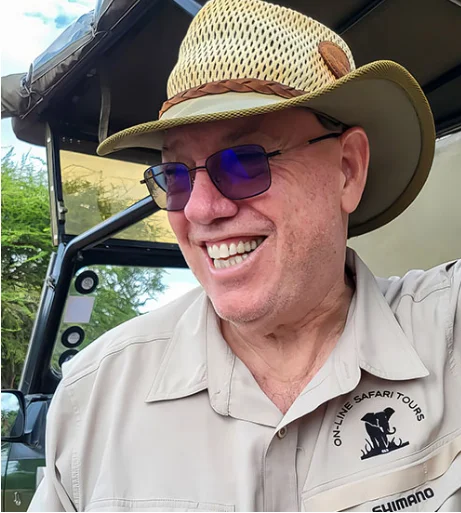
Forest Lake Photography Club president Norman Dean has been recognised for securing the top spot in Heritage Bank’s November Wildlife Image Competition.
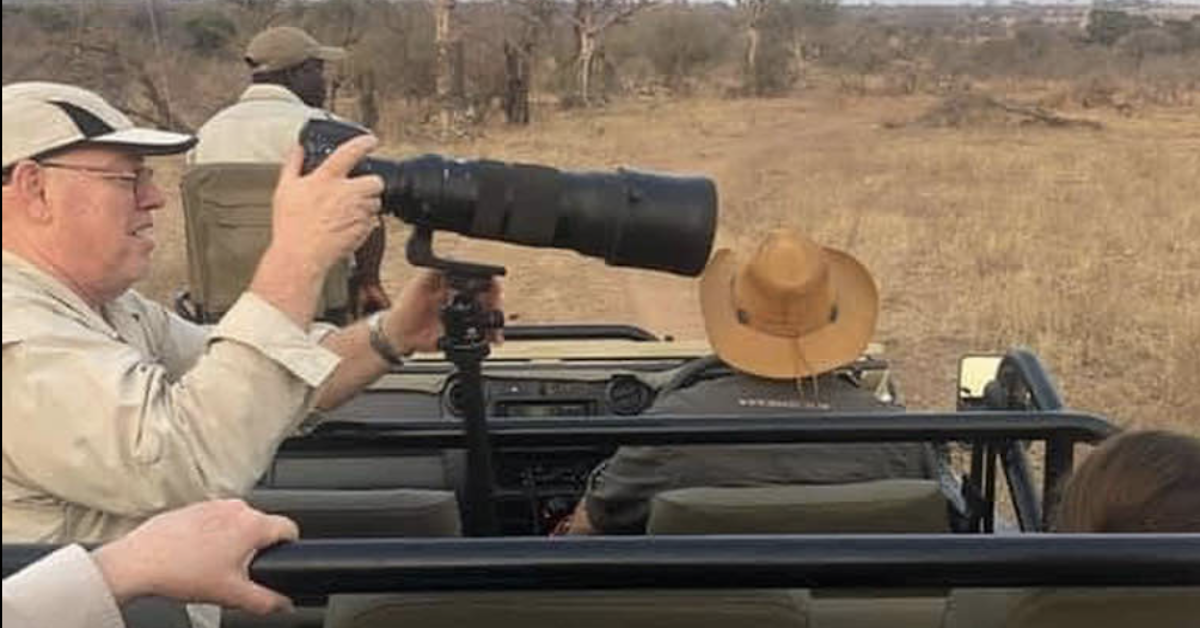
Dean travels to South Africa several times each year where he continues his wildlife photography work. His long-standing experience includes more than two decades as a professional photographer with a focus on animals in their natural environment. His photographic work aims to highlight the behaviour and presence of African wildlife.
How the Competition Operates in Forest Lake
The Forest Lake Photography Club runs monthly slideshow events where members submit images for viewing. Voting for entries takes place the following month. As the current winner, Dean will receive an A3+ print of his photograph produced on the club’s printer, purchased using a grant provided through the local branch of Heritage Bank. This funding is also used for a new laptop and printer supplies.
Some club members were invited in September to photograph the finalist gardens for the Inala Electorate Garden Competition. Those images will be included in a 2026 calendar that will be sold to support charitable efforts. The club meets on the second Tuesday of each month at 7.15 p.m. at the Forest Lake Community Hall, where visitors are welcome.
Dean’s recent achievement adds to the ongoing activities of the Forest Lake Photography Club, which continues to support local photographers and community projects. His winning image forms part of the club’s regular program, supported by its monthly competitions and equipment funded through external grants.
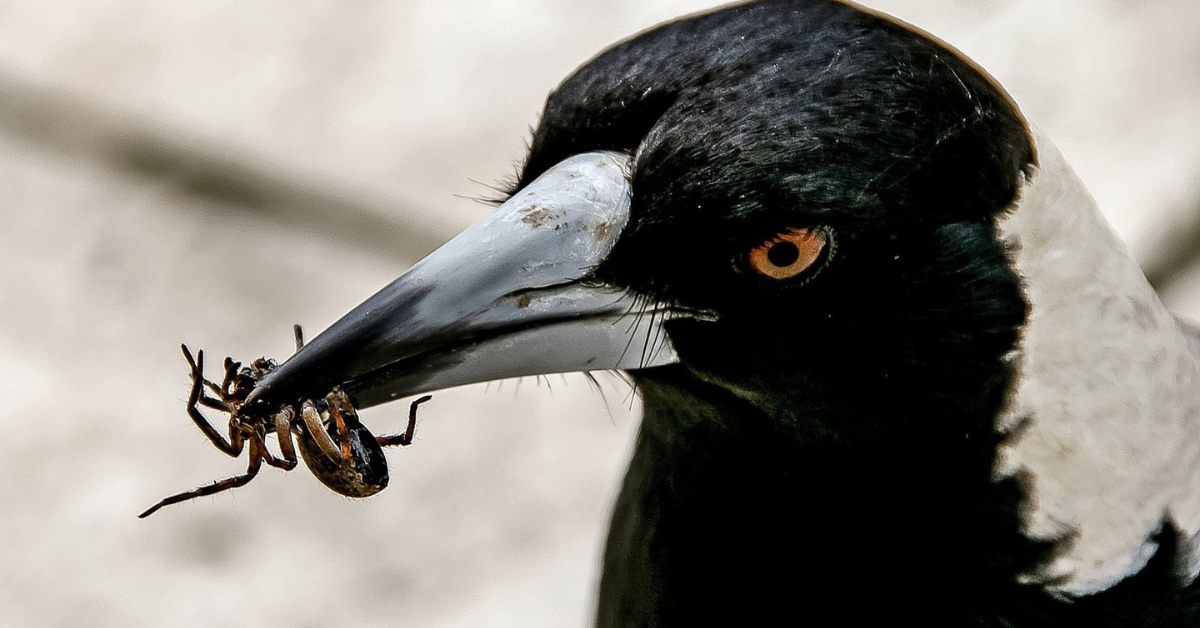
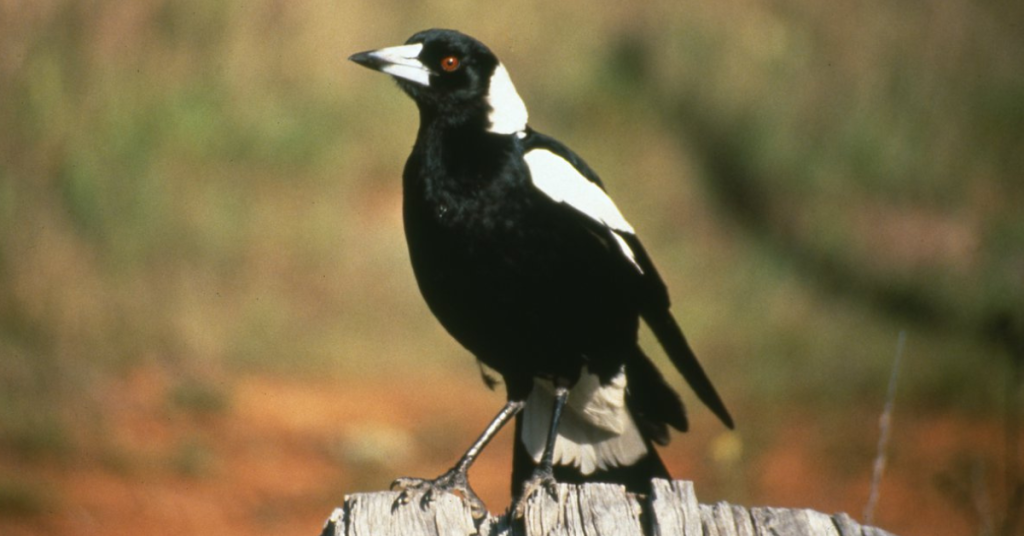
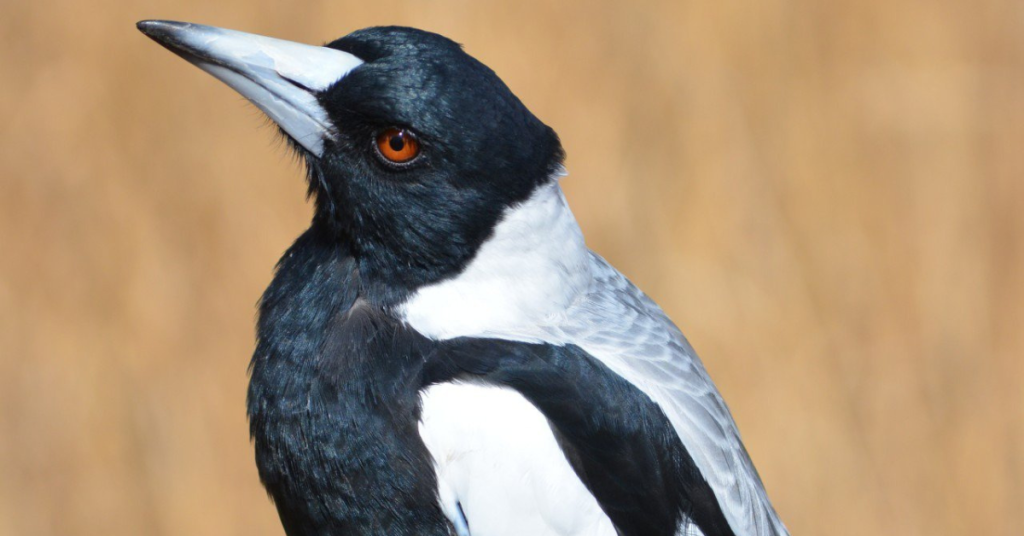
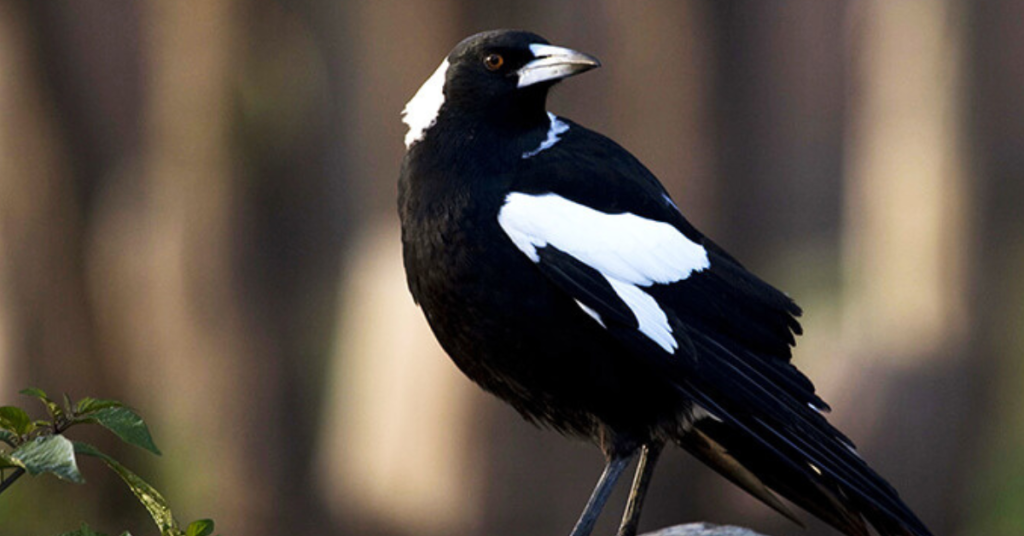
Brisbane residents in hotspots like Forest Lake are learning to navigate the annual challenge of sharing their suburbs with protective magpie fathers, as this year’s swooping season sees a spike in defensive encounters.
As spring breathes life into the city, it also signals the start of a familiar dance between humans and birdlife. The magpie breeding season is now in full swing, an annual period between July and January when some male birds become fiercely protective.
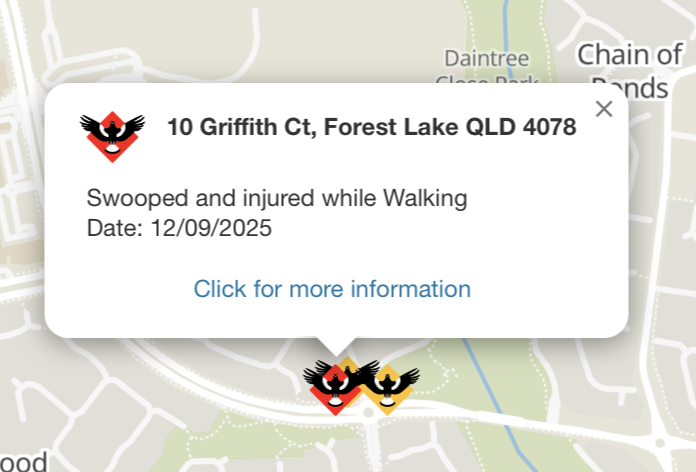
According to recent data from Brisbane City Council, Forest Lake has emerged as one of the key suburbs for these encounters this season, alongside Wakerley, Carindale, Oxley and Bald Hills. This seasonal pattern is well-documented, with areas like New Farm and Brighton having topped the list for reports over the past year.
Before you label the magpie an aggressive pest, behavioural ecologists encourage a change in perspective. An expert from BirdLife Australia, Sean Dooley, clarified that it’s a very small fraction of male magpies, about one in ten, that engage in swooping. Emeritus Professor Darryl Jones, a magpie expert, explained that these birds are simply acting on parental instinct.
They perceive fast-moving people, especially cyclists, as potential predators threatening their nest, much like they would a goanna or a snake. Their swoop is a defensive manoeuvre, the act of a father trying to keep his family safe. This protective instinct is what has made birds like the “Guardian of Viola Place” near the Brisbane Airport a local legend among cyclists who frequent the path.
The key to navigating the season isn’t aggression, but awareness. For cyclists, who are the most common targets, staying calm and in control of the bike is the most crucial first step, as a fall can cause more harm than a bird. Cycling advocacy groups suggest practical gear like helmets fitted with a wide brim, such as those from Da Brim, and wrap-around sunglasses can offer effective protection for the head and eyes.
While some people swear by adding cable ties or fake eyes to their helmets, experts suggest these methods have little proven effect. For pedestrians, simply choosing to walk in a group, carrying an umbrella, or avoiding known nesting areas during the peak months of September and October can make all the difference.
Brisbane residents have developed a strong community-led approach to keeping each other informed. Locals are encouraged to log any swooping incidents on the website Magpie Alert, creating a real-time map that helps others plan safer routes.
Brisbane Lord Mayor Adrian Schrinner also stressed the importance of community reporting, stating that when residents inform the council of a swooping bird, it allows them to monitor the situation and install warning signs for others. In some cases involving particularly persistent birds, the council has stepped in to relocate them, moving more than 41 birds in the last financial year alone. Ultimately, these birds are a valued part of Brisbane’s biodiversity, and learning to share our space is key.
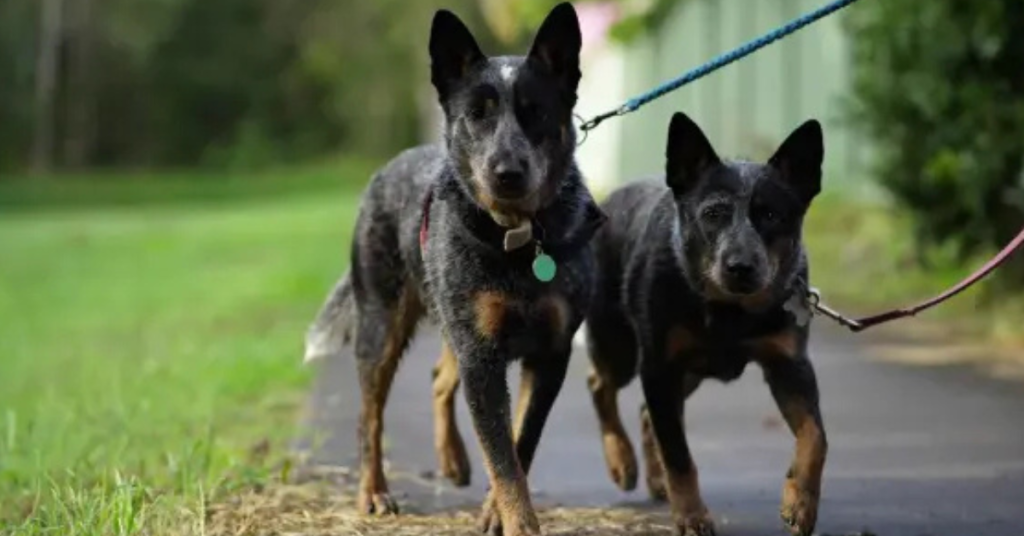
With nearly 1,900 registered dogs, Forest Lake has been named Brisbane’s third most popular suburb for pet ownership in new data that also crowned the Labrador as the city’s favourite breed.
The registration figures, released for the last financial year, offer a fascinating glimpse into the city’s neighbourhoods and the pets that make them feel like home.
The numbers show that some suburbs are clear favourites for Brisbane’s 106,026 registered dogs. Topping the list is Bracken Ridge in the city’s north, with 2,124 registered pups. It was followed closely by The Gap with 1,971 dogs, while Forest Lake proved its status as a premier destination for pet owners, claiming third place with an impressive 1,877 registered dogs. Suburbs like Wynnum and Ashgrove also ranked in the top ten, suggesting that access to parks, community spaces, and a family-friendly atmosphere are key factors for Brisbane’s dog lovers.
These figures paint a picture of communities built for companionship, where a walk in the park is as much for the four-legged residents as it is for their human neighbours.
The City’s Breed of Choice
Across all Brisbane suburbs, the data shows a clear preference for classic, family-friendly breeds. The Labrador Retriever remains the city’s undisputed favourite, with 9,017 registered dogs. This choice reflects a city that values an active, outdoor lifestyle perfectly suited to the Labrador’s temperament.
Also popular are the gentle Cavalier King Charles Spaniel, with 7,250 registrations, and the intelligent Border Collie, with 6,752. While poodle-crosses remain a common sight, the official numbers show that Brisbane’s residents lean towards these timeless purebred companions. Other breeds in the top ten include the Golden Retriever, Australian Kelpie, and the small but spirited Dachshund.
When it comes to names, Brisbane owners blend the traditional with the trendy. The classic name Charlie fetched the top spot with 1,211 registrations, proving some names never go out of style. Other perennial favourites like Bella (1,034) and Coco (920) also filled out the top three.
However, the data also highlights the massive cultural footprint of the beloved Brisbane-made cartoon, Bluey. More than 400 families paid tribute to the show, naming their dogs Chilli (190), Bandit (102), Bluey (65), or Bingo (55). This trend sits alongside a wonderfully creative streak, with some of the city’s most unique names including Jabba the Mutt, Starvin Marvin McLovin, and Ziggy Stardust the Third.
Beyond the fun of names and breeds, council officials stressed the importance of the registration data. City standards committee chair, Councillor Sarah Hutton, said that registering and microchipping pets is vital for keeping them safe. She explained that the registration fees directly fund community programs and facilities that benefit both pets and their owners, helping to make Brisbane an even better place for our furry friends to live.
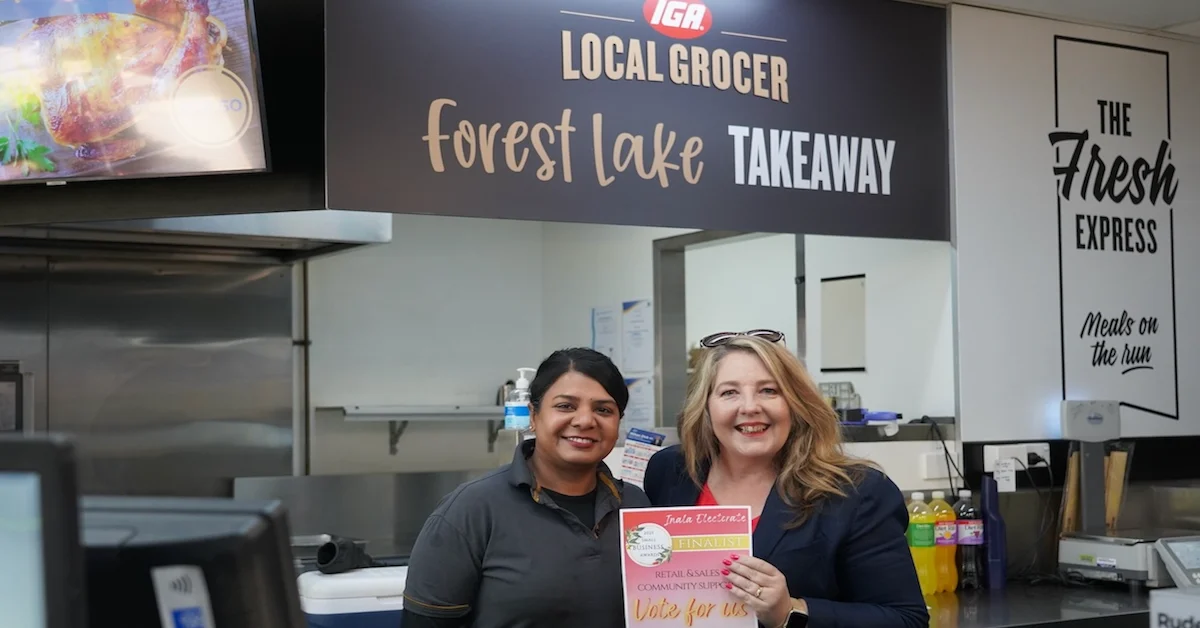
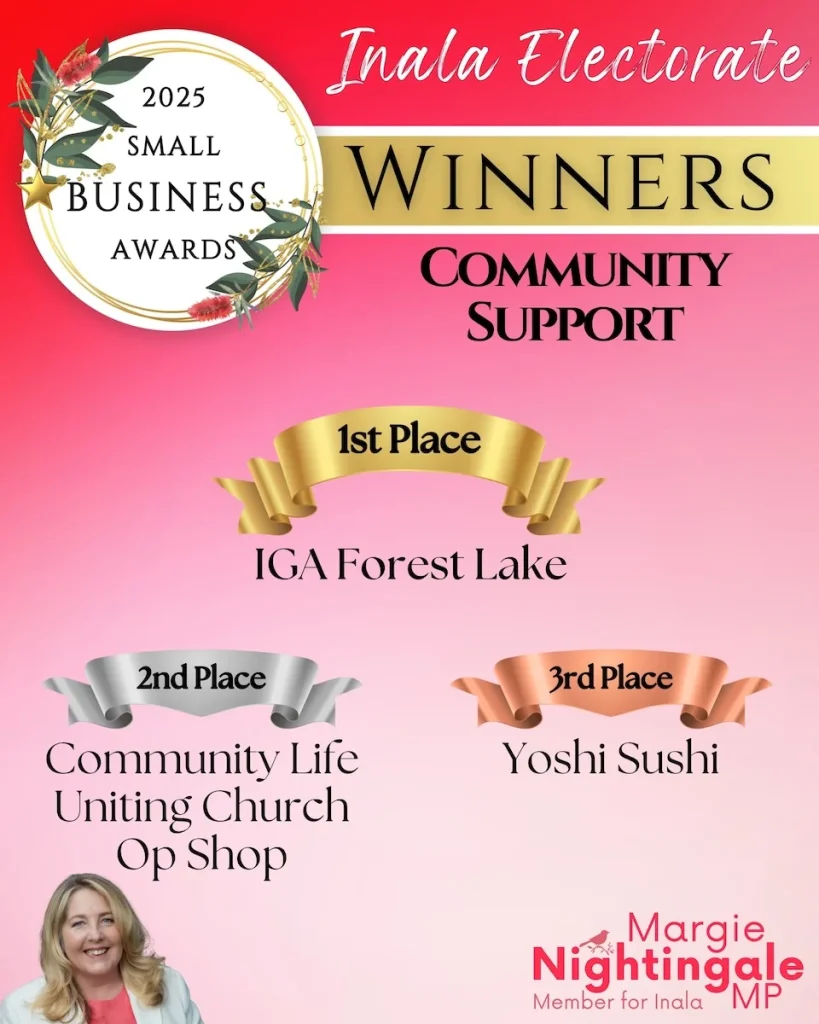
IGA Local Grocer Forest Lake has been recognised by the community it serves, winning multiple honours at the 2025 Inala Electorate Small Business Awards.
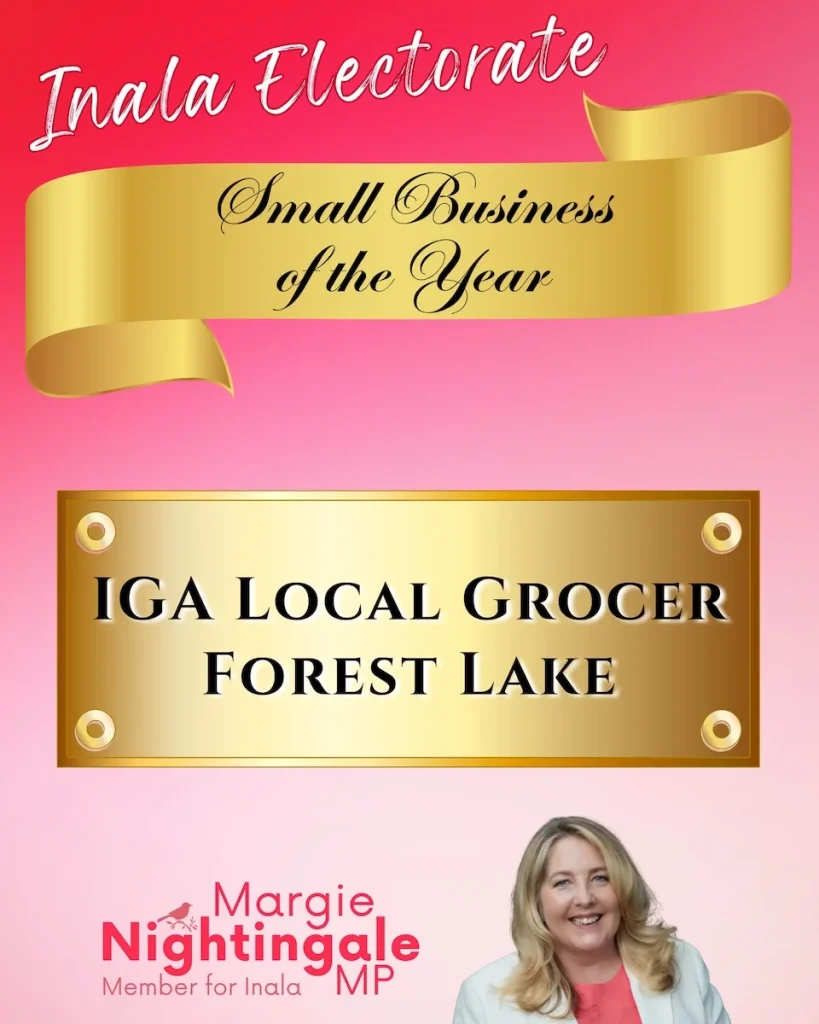
Forest Lake residents have placed their trust and votes behind their local grocer, with IGA Local Grocer Forest Lake taking home three awards at this year’s Inala Electorate Small Business Awards.
The family-run store was named Small Business of the Year, while also receiving first place in the Community Support category and second place in Retail and Sales. The awards were determined by community nominations followed by an online voting process.
Owners Harshi and Vijay expressed their gratitude to customers, saying they are thankful for the ongoing support that has helped the store become a cornerstone of Forest Lake.
Located at 120 Woogaroo Street, Forest Lake, the IGA Local Grocer serves as more than a place to shop for groceries. The store offers a wide range of services, including takeaway meals, a gold lotto counter, dry cleaning, ATM facilities, and newspapers. Customers also have access to fresh flowers, ready meals, and weekly specials through the IGA catalogue.
With extended trading hours from early morning through the evening, the store has built its reputation on being a convenient and welcoming stop for locals. Many residents have noted the friendly service and family atmosphere as reasons they continue to return.
Community Roots in Forest Lake
Forest Lake, a suburb located just over 20 kilometres southwest of Brisbane’s CBD, is known for its strong community identity. The suburb was one of Brisbane’s first master-planned communities and is home to more than 22,000 residents.
At the heart of this setting, businesses such as IGA Local Grocer play a role not only in providing essential goods but also in shaping the social fabric of the area.
Continuing the Story
Winning three awards does not mark the end of the journey for the Forest Lake grocer. For its owners, the recognition is motivation to keep refining what the store offers and to keep investing in the relationships that sustain it. It is the kind of small business story that reminds locals why supporting independent shops matters: the transactions may be simple, but the impact on community life is lasting.
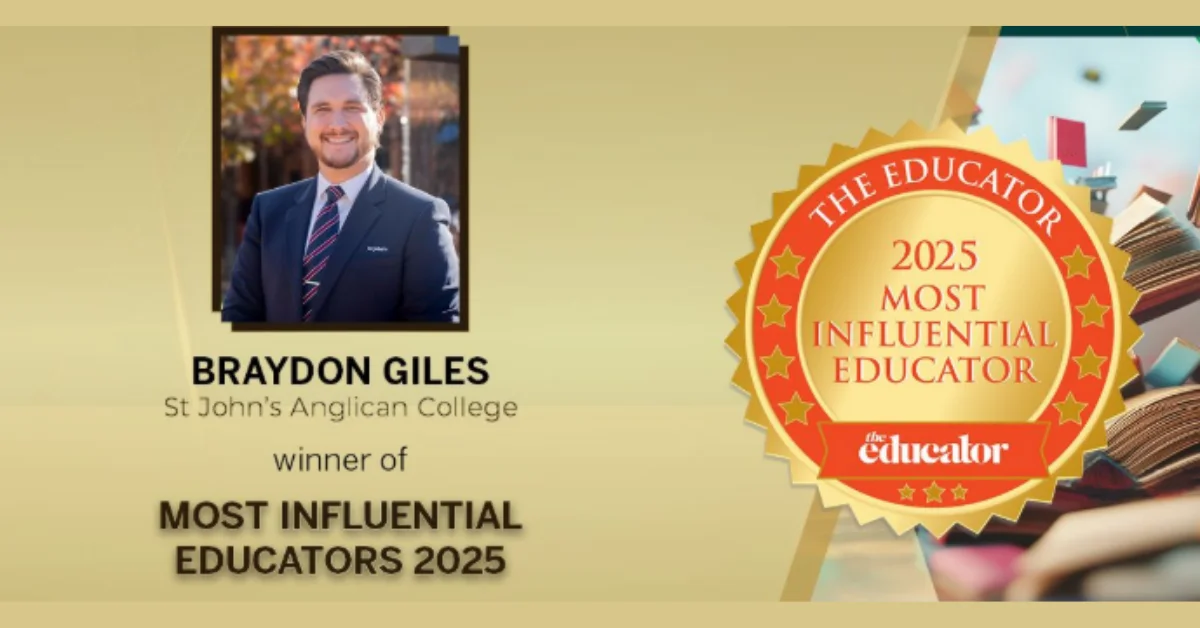
Braydon Giles, head of middle school at St John’s Anglican College in Forest Lake, has been recognised among Australia’s Most Influential Educators for 2025.
Giles has been named on The Educator’s Most Influential Educators 2025 list, which highlights 50 professionals whose work has significantly shaped the Australian education sector. Nominations were received from 10–25 March 2025, with the list published on 25 July 2025.
The annual list, supported by the Australian Boarding Schools Association, identifies educators who lead change through innovation, evidence-based practice and collaboration across institutions.
Giles began his career in the Queensland Department of Education in 2012 before joining St John’s Anglican College, where he has held leadership roles in the middle years. He is currently Head of Middle School, overseeing programs for students in Years 7–9.
Since 2023, he has also served as vice president of Adolescent Success, an association focused on the education and development of young adolescents. Previously, he was treasurer of the Joint Council of Queensland Teachers’ Associations, representing teacher associations across the state.
Achievements and Recognition
In 2024, Giles received the Australian Council for Educational Leaders’ New Voice in School Leadership Scholarship, recognising his emerging influence. His work has been published in education journals and magazines, and he has presented at national and international conferences.
His leadership at St John’s emphasises holistic growth for students, combining innovative approaches with strategies aimed at supporting academic, personal and social development.
Broader Context in Australian Education
The 2025 Most Influential Educators list comes amid workforce shortages and growing calls for reform in the education sector. Data from the Australian Institute for Teaching and School Leadership shows that over a third of teachers are unsure about staying in the profession until retirement, with workload and wellbeing among the leading concerns.
Educators recognised on this year’s list have been noted for introducing new models of learning, integrating technology, advocating for student agency and promoting equity of access across diverse school communities.
St John’s Anglican College publicly congratulated Giles on the recognition, with numerous community members and colleagues sharing messages of support. Parents, staff and students described the acknowledgement as well deserved, citing his positive impact on student learning and wellbeing.
A Forest Lake man has been charged with torture and assault after a seven-week-old baby presented to the hospital unresponsive with injuries consistent with prolonged physical abuse.
The distressing incident unfolded on 5 March, when the infant was brought to the Queensland Children’s Hospital. Medical examinations quickly revealed the severity of the baby’s condition, prompting immediate police involvement.
Following the discovery of the extensive injuries, the child was promptly removed from the care of a 27-year-old man and a 26-year-old woman.
Detectives from the Inala Child Protection and Investigation Unit (CPIU), supported by the Crime and Intelligence Command’s Child Trauma Unit, commenced a detailed investigation, code-named Operation Xray Boyd. This thorough and protracted inquiry ultimately led to charges being laid.
The 27-year-old Forest Lake man has been charged with three counts of assault occasioning bodily harm and one count of torture. He was refused police bail and appeared in Brisbane Magistrates Court on Monday, 16 June 2025. The court matter has been adjourned until June 23 for a possible bail application.
Detective Acting Senior Sergeant Joshua Brewer commended the dedicated efforts of the investigating officers, acknowledging the difficult nature of the case. He stated that this was a deeply confronting matter for detectives to undertake, given that it involved a vulnerable infant sustaining serious injuries. He added that detectives worked with care and determination to ensure the child was removed from harm.
The investigation serves as a critical reminder of the community’s vital role in safeguarding children. Acting Senior Sergeant Brewer stressed the importance of public diligence, encouraging anyone who is aware of or suspects child abuse to report it to the police immediately. Such vigilance can be crucial in protecting the most vulnerable members of our community.
Support and Reporting
Child Protection and Investigation Units across Queensland are staffed by highly trained detective investigators committed to protecting children. These units investigate a range of criminal matters, including serious sexual allegations and the physical abuse of children. Members of the public can contact Policelink or Crime Stoppers if they have information regarding child abuse. In emergencies where a child is in immediate danger, Triple Zero (000) should be called without delay.
A Forest Lake family has built a strong bond with their next-door neighbours, offering a rare example of close community ties in an era of declining neighbourly interaction.
When Peter and Kiera Chapman relocated with their three children to Forest Lake, they did not expect the relationships they would quickly form with their neighbours. Within a month of settling in, the family had become close with those next door—an experience they hadn’t shared in nearly a decade at their previous address.
Caption: For Illustration Purposes Only Photo Credit: Pexels
National Trend of Social Disconnection
Recent research by Real Insurance and MyMavins highlights a wider trend across the country. About 65 per cent of Australians surveyed reported not meeting neighbours even after six months of living side by side. The findings also revealed that nearly three-quarters of Queenslanders believed people are less interested in forming relationships with neighbours now compared to 20 years ago.
Daily Support Between Households
In Forest Lake, the Chapmans’ children regularly spend time at the neighbour’s home after school. The neighbouring household, where Diane Greig cares for her two grandchildren, has become a regular part of their routine. The connection now feels like an extension of the family, with the children moving freely between both homes.
Caption: For Illustration Purposes Only Photo Credit: Pexels
Time Pressures Limit Community Interaction
According to Mr Chapman, the increasing pressure of dual full-time work and rising living costs has left many families with limited time to interact with those around them. He said these factors have contributed to the wider decline in community connections and social availability.
Despite the challenges, the Chapmans found that reaching out to neighbours helped them settle into Forest Lake more easily. Many residents in the area had been there for several years, contributing to a sense of local stability. Building that initial relationship has helped them feel safer and more supported in their new environment.
Parts of Forest Lake and 17 other Brisbane suburbs currently zoned for two to three levels could soon accommodate buildings as high as five storeys as the city addresses its housing affordability crisis.
This significant change is part of a city-wide review announced on Wednesday by Lord Mayor Adrian Schrinner, aiming to add approximately 6,000 new homes over the next five years.
The review focuses on low-to-medium residential (LMR) density zones, which make up 14 per cent of Brisbane’s land. These areas currently allow for two to three levels and a minimum lot size of 400 square metres, but under the proposed changes, lot sizes could shrink to 300 square metres, potentially making way for terrace homes or dual occupancy dwellings.
The Need for More Homes
Photo Credit: Pexels
Brisbane has been struggling with housing affordability, recently ranked as the 13th least affordable city globally by Demographia. Mayor Schrinner emphasised that this is largely due to a lack of housing supply, with new dwelling approvals in LMR zones dropping sharply to just 445 in the past two years, compared to a decade-long average of over 1,110.
He stated that increasing supply is the only realistic answer to making housing more affordable, dismissing other ideas like Airbnb limits or taxes on vacant properties as too simplistic. The review aims to cut red tape, adjust minimum parking requirements, and permit higher buildings in areas close to essential infrastructure such as shopping centres, bus and train stations, and main roads.
Forest Lake’s Unique Position
Forest Lake, a master-planned community, already features a mix of housing types, from detached houses on smaller lots to some medium-density homes. Its design includes integrated amenities like local shops, schools, and green spaces, including the prominent lake.
The suburb’s Neighbourhood Plan already encourages higher density development near the lake and central facilities to improve access to services. If five-level heights are introduced in Forest Lake, they would most likely be located around the Forest Lake Shopping Centre and commercial zones.
These areas are well-suited for increased density due to their existing services and transport links. Connectivity to Richlands train station via bus routes could also make areas along these routes candidates for slightly increased density.
The announcement has been generally welcomed by the property industry. The Property Council’s executive director, Jess Caire, described the move as a positive step during the ongoing housing crisis. Rob Flux of the Property Developer Network noted that the changes would benefit small developers, who build most new residential projects.
Urban design and planning company Therefor Group also supported the review, stressing the importance of thoughtful design for positive outcomes. Director Amy Marsden mentioned that traditional character areas like Paddington and Auchenflower are unlikely to be affected by these changes.
However, some concerns and challenges remain. Caroline Stalker, the Australian Institute of Architects state president, supported higher density near infrastructure but stressed that good design is crucial for creating liveable communities. She warned that without proper design focusing on privacy, safe streets, and appealing neighbourhoods, public pushback is likely.
Master Builders Queensland’s Paul Bidwell welcomed the review as a good first step for increasing approvals, but highlighted a major issue: the construction sector currently lacks enough qualified workers to build the necessary homes. He noted that construction capacity is far behind approvals, meaning boosting supply is only one part of the solution.
Meanwhile, Real Estate Institute of Queensland stated there appears to be a newfound public willingness to accept higher density.
Labor Opposition Leader in Council, Jared Cassidy, argued that the housing shortage is partly due to the current administration’s past decisions, such as banning new townhouse developments in low-density zones in 2020.
Despite these points, the State Government’s SEQ Regional Plan requires Brisbane to deliver about 60 per cent of its new housing through infill development. Recent state approvals include 1,631 lots in the Greater Flagstone Priority Development Area and 782 new homes in Indooroopilly and Milton.