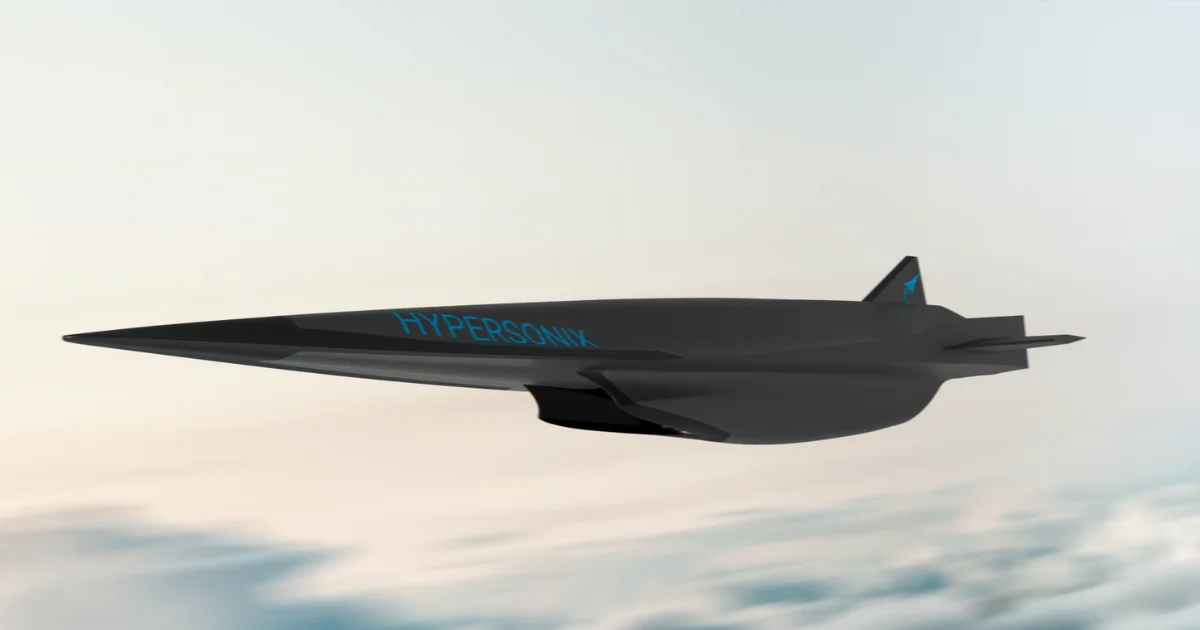


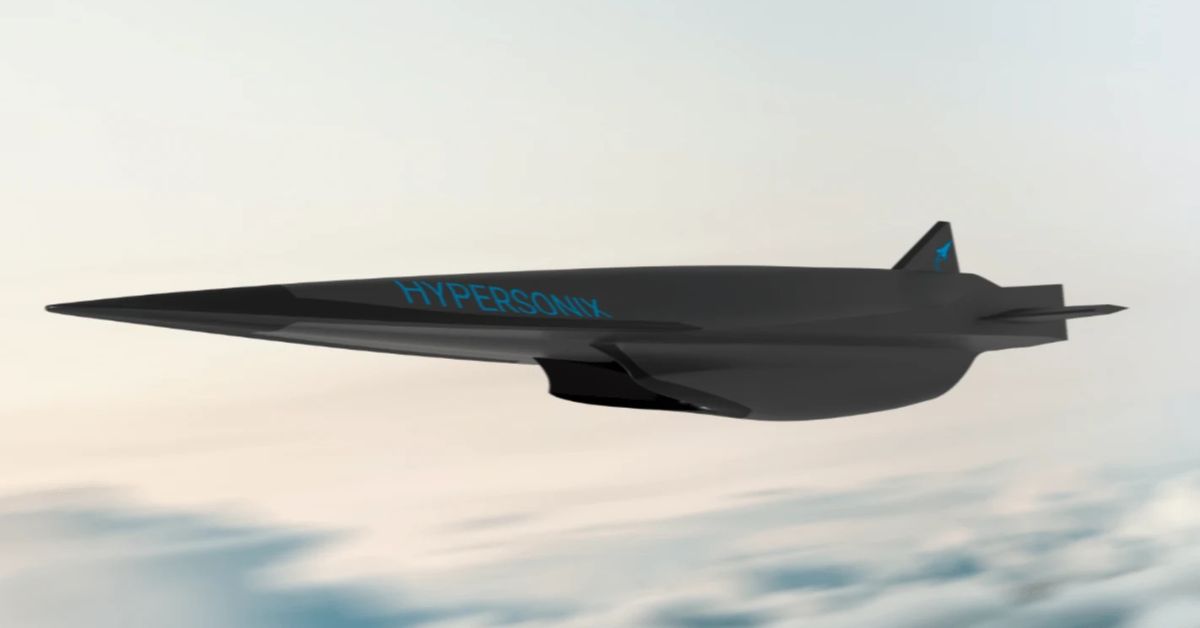
Hypersonix Launch Systems, the aerospace company based at 2 Ron Boyle Crescent, Carole Park, has successfully completed the first flight of its Australian-made scramjet-powered hypersonic aircraft, reaching speeds greater than Mach 5 in a mission that marks a landmark moment for Australia’s sovereign aerospace capability.
DART AE, Hypersonix’s 3.5-metre autonomous hypersonic aircraft, lifted off at 7pm US Eastern Time on Friday 27 February, which was 11am AEDT on Saturday 28 February, from Rocket Lab Launch Complex 2 at the Virginia Spaceport Authority’s Mid-Atlantic Regional Spaceport on Wallops Island, Virginia. The launch window had originally opened on 25 February but a brief delay pushed the flight to 27 February. The mission, named “That’s not a knife” by Rocket Lab and Cassowary Vex by the US Defence Innovation Unit, was conducted on behalf of US defence innovation authorities.
How the SPARTAN Scramjet Engine Works
The mission centred on the SPARTAN scramjet engine, Hypersonix’s proprietary propulsion system manufactured entirely through 3D printing and containing no moving parts. SPARTAN is designed to propel aircraft to speeds of up to Mach 12, the equivalent of 12 times the speed of sound, or 14,500km/h. At the planned deployment point, DART AE separated from the Rocket Lab HASTE rocket and SPARTAN ignited, powering the aircraft through its hypersonic flight profile and gathering technical data for the team to analyse in the coming weeks.
That propulsion technology traces back to Dr Michael Smart, Hypersonix co-founder, former chair of Hypersonic Propulsion at the University of Queensland and former NASA research scientist. Smart said the mission allowed the team to test propulsion, materials and control systems in real hypersonic conditions, and that the results would directly shape the design of future operational hypersonic aircraft. At the speeds and temperatures involved, he said, there is simply no substitute for flight data.
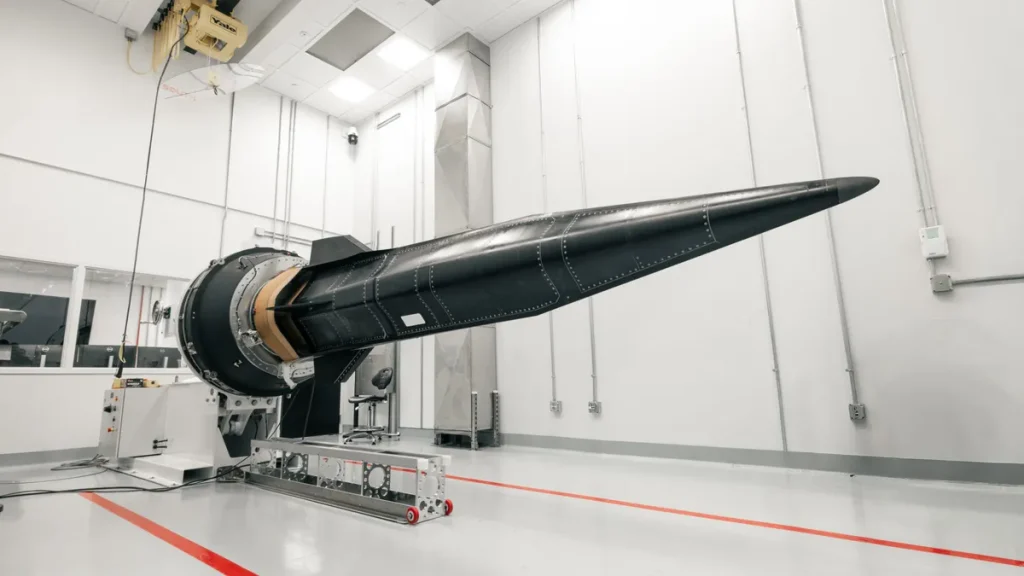
Hypersonix chief executive Matt Hill described the flight as confirmation that an Australian company could design, build and operate technology in one of the most demanding flight regimes on Earth, and an important step toward delivering hypersonic systems that are operationally relevant for Australia and its allies.
A Carole Park Operation With Global Ambitions
The Hypersonix Launch Systems team operates from its Carole Park facility across aerospace engineering, advanced manufacturing and flight testing. The company currently employs more than 50 staff in Brisbane, positioning it at the forefront of Australia’s emerging hypersonic industry and making South-East Queensland a genuine hub for what has historically been a domain dominated by a handful of major powers.
That local base has attracted significant international confidence. Hypersonix raised $46 million in a Series A capital raise, led by UK-based investor High Tor Capital with support from European defence company Saab and Polish investment firm RKKVC. The National Reconstruction Fund Corporation and Queensland Investment Corporation also participated, reflecting strong backing from both domestic and international investors in the technology’s commercial and defence applications.
What Comes Next: The VISR Platform
The successful test flight accelerates more than the SPARTAN engine’s development. The capital raise is also fast-tracking Hypersonix’s next reusable hypersonic platform, VISR, short for Velos Intelligence, Surveillance and Reconnaissance, while expanding advanced manufacturing capacity in Queensland.
The Hypersonix Launch Systems model positions the company to serve both civil and defence markets as hypersonic technology matures from experimental to operational. With the Carole Park facility serving as the primary engineering and development base, the work to apply the lessons from DART AE’s maiden flight begins here.
Further information about Hypersonix Launch Systems and its programmes is available at hypersonix.com.au. The company operates from 2 Ron Boyle Crescent, Carole Park QLD 4300.
Published 2-March-2026.