

Forest Lake Teen Sabina Locke Is Already Learning How to Balance Ambition with Direction

Fifteen-year-old Sabina Locke is making her mark on the Queensland pageant scene, having already secured a first runner-up finish in the teen division at Face of Australia Queensland. After traveling to Bangkok, Thailand, where she earned a massive medal haul at Kids Star International, the Forest Lake local is now preparing to take to the national stage this April for the Miss Teen Galaxy Australia competition.


At a young age, Sabina is proving that pageantry is about far more than just sashes and stage lights. Balancing her secondary school exams with a packed community schedule, she is using the stage to build her confidence and forge lasting connections. While she already has her sights set on university, Sabina’s current focus is firmly on the future opportunities her successes might bring, from modelling to community advocacy.

From Forest Lake to the International Stage

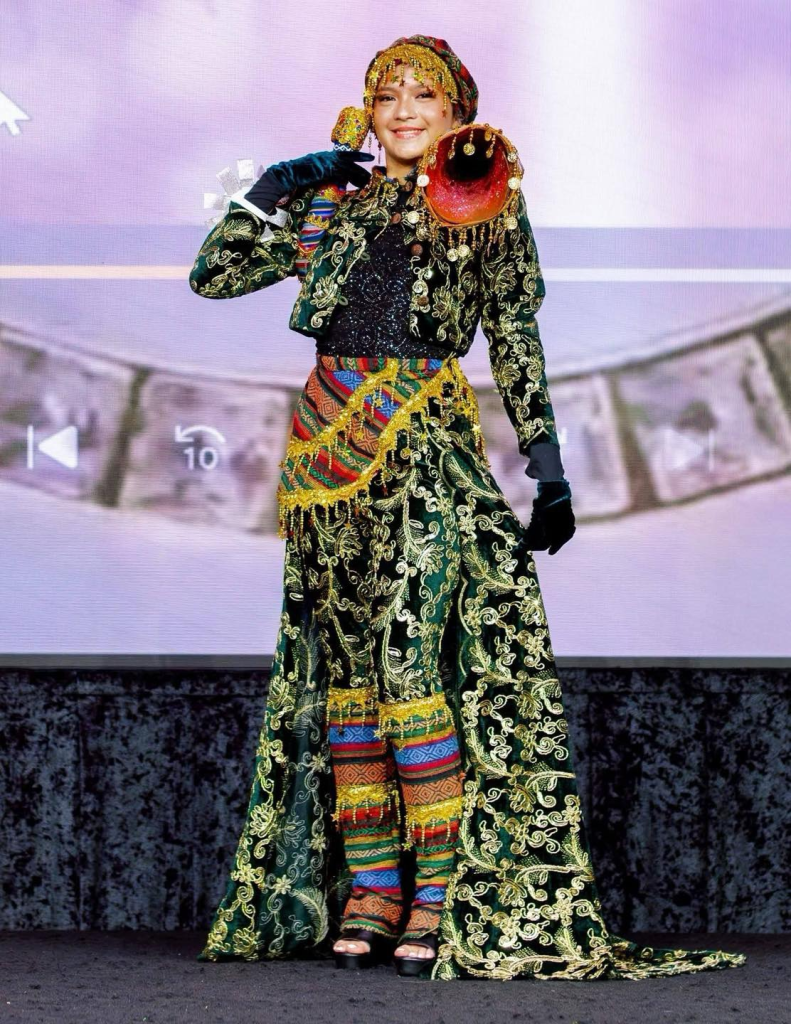
Her journey through the Galaxy system emphasizes real-world skills like public speaking, interview techniques, and community involvement. This April, she steps onto the national stage for the Miss Teen Galaxy Australia competition, continuing a rapid rise that has already seen her represent her community abroad. Her previous success at Kids Star International in Bangkok saw her compete against a global field including entrants from Bulgaria, Thailand, and the Philippines where she secured a significant medal haul for her talent, catwalk, and costume.
Her placement as Runner Up at Face of Australia Queensland, one of Brisbane’s most prominent multicultural pageants, preceded her Galaxy journey and helped lay the groundwork for the confidence and platform skills she brought to the international stage. Face of Australia Queensland has grown steadily since its 2019 inauguration, placing a strong emphasis on empowerment, diversity and community connection, values that clearly resonated with Sabina’s own approach.

Her friends from the competition have been quick to support her, and she credits the connections she has built through pageantry as one of the most meaningful aspects of the experience. “Everything I have earned has been a new learning experience for me and I hope that continues with the years to come,” she said.

More Than a Title

What sets Sabina apart is the way she has translated pageant participation into tangible community action. She is a regular at the local op shop and gives her time to Wendy’s Community Care. Both commitments point to a young woman who sees her platform not as something to display but as something to use.

Her advocacy interests are growing in focus too. Sabina has begun engaging more seriously with youth mental health, attending events and exploring how she can contribute to that space in a meaningful way. She is also planning to participate in Brisbane’s International Women’s Day Fun Run, with a particular gesture that says a lot about her character: rather than keeping her ticket, she intends to give it to someone who needs it.

Eyes on What Comes Next

While Sabina Locke is clear-eyed about her future, she is currently a 15-year-old student balancing her pageant commitments with secondary school exams. She hopes to attend university after finishing school while continuing to build her presence in the pageant world. Sabina views these experiences as a way to gain skills in public speaking, community service, and traditional runway categories that will open doors for future modelling and media opportunities. She remains focused on the learning process, noting that everything she has earned so far has been a new experience she hopes to build on in the years to come.

The Galaxy system she competes in provides a genuine pathway for that ambition. Sabina is now putting her energy into April’s national competition, where she will represent her community on the Australian stage. Community support has already begun to grow around her, and she has secured local sponsorship from a skincare clinic and a traditional Filipino clothing boutique.

For more information about Australia Galaxy Pageants and the 2026 national final, visit australiagalaxypageants.com.


Published 10-April-2026
Salvos Stores Opens Australia’s First Textile Recovery Facility at Carole Park

Salvos Stores has opened Australia’s first automated Textile Recovery Facility at Carole Park, on the boundary of Forest Lake and Brisbane’s south-western industrial corridor, with the site set to process up to 5,000 tonnes of textiles per year and keep millions of items out of landfill.


The facility, which received $4.97 million in Queensland funding, delivers on a plan that was announced under the Project Boomerang initiative and supported by feasibility research from QUT. It is the first of its kind in Australia and draws on the model of an automated textile sorting and decontamination plant already operating in Amsterdam, replicating that technology in a Queensland context for the first time.

The opening marks a significant moment for The Salvation Army’s commercial arm, which has operated Salvos Stores across Australia for more than 140 years. The organisation kept 52 million items in circulation through its network of over 400 stores last year alone, and the Carole Park facility extends that work into a new tier, capturing textiles that cannot be resold in stores and redirecting them into recycling supply chains rather than landfill.

How the Facility Works

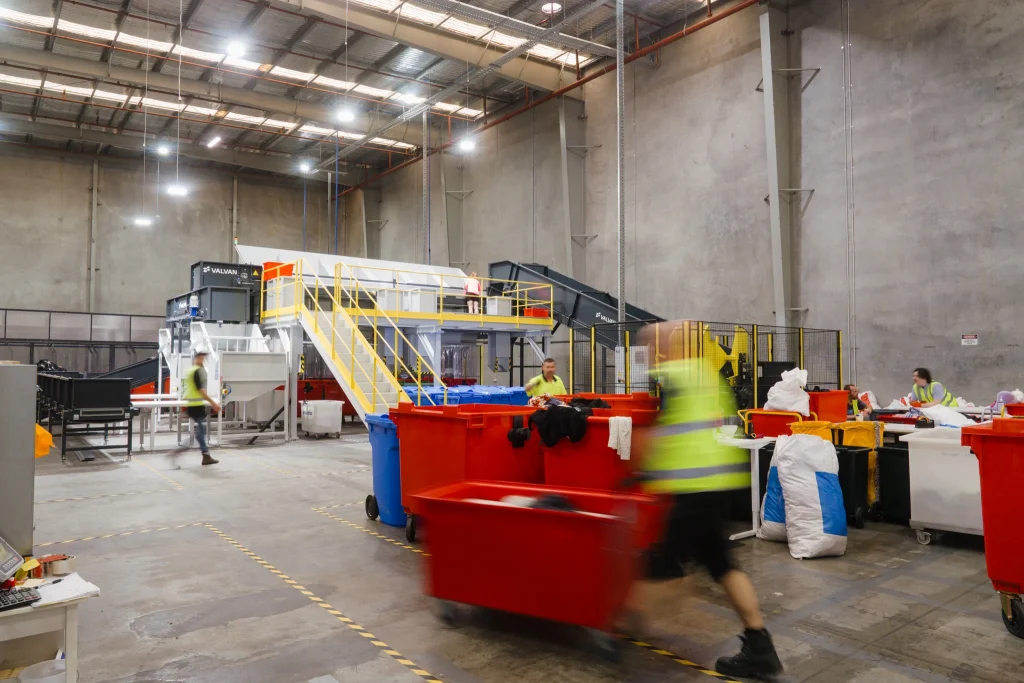
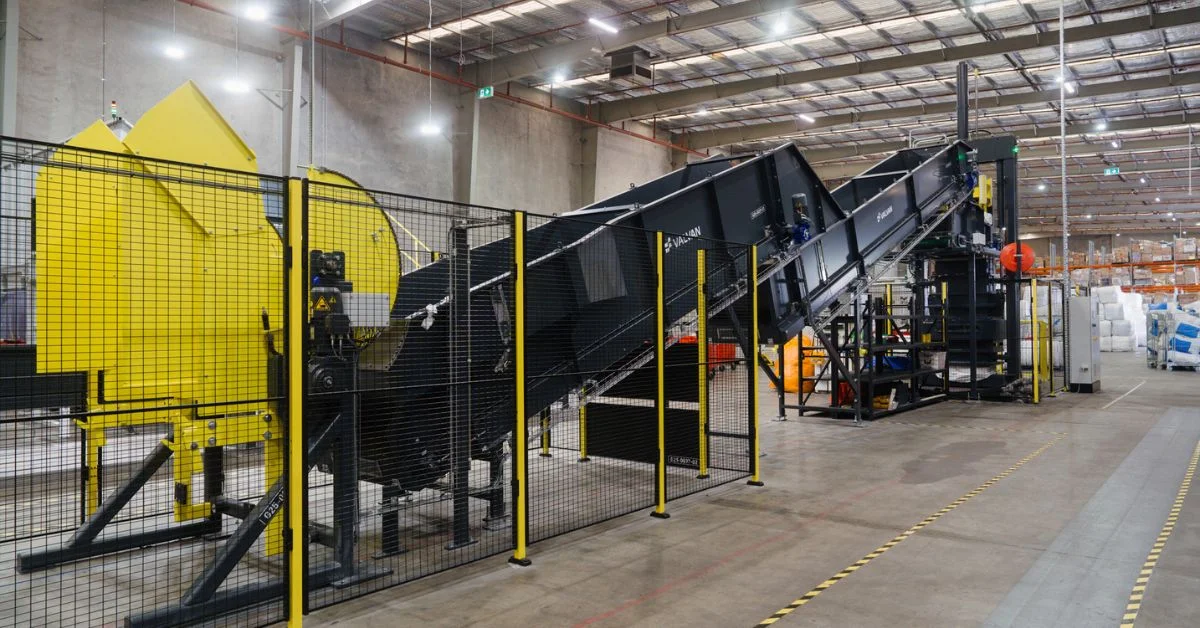
The Carole Park facility uses automated sorting and decommissioning technology to process donated textiles that fall below resale quality. The system sorts garments by fibre type, removes buttons and zippers, and prepares materials as feedstock for recycling and manufacturing processes. The result is a cleaner, more commercially viable supply of recycled textile material than manual sorting alone can produce.

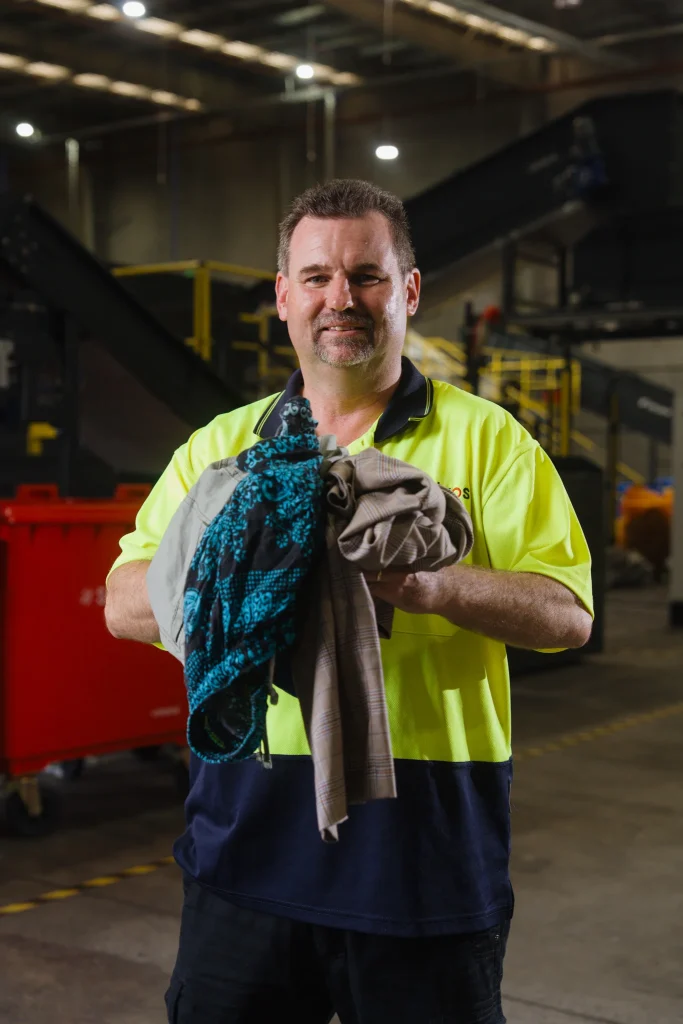
Salvos Stores' first textile recovery
Photo Credit: Salvos Stores

The facility draws its supply from donations flowing through the broader Salvos Stores network and is designed to pilot and scale textile recovery solutions across Brisbane before expanding its reach. At full capacity, the site will handle up to 5,000 tonnes of textiles annually, generating additional revenue that feeds back into The Salvation Army’s frontline service programmes across the country.

The project has attracted support from a number of significant corporate partners looking to develop local supply chains and markets for recycled textile materials, including Kmart Group, Samsara Eco and Full Circle Fibres. Charitable Recycling Australia has also been involved in the collaborative structure underpinning the initiative. QUT’s feasibility research helped establish the technical and commercial case for the facility before the investment decision was made.

The Scale of Australia’s Textile Waste Problem

The Carole Park facility arrives at a moment when the scale of Australia’s textile waste challenge is becoming harder to ignore. More than 200,000 tonnes of clothing ends up in landfill in Australia each year, a figure that reflects both the volume of fast fashion entering the market and the limited infrastructure available to process garments at end of life. Most donated clothing that cannot be resold has historically had few options beyond landfill or export to lower-income markets, neither of which constitutes a sustainable long-term solution.

The circular economy model that underpins the Carole Park facility offers a different pathway. Rather than treating unsaleable textiles as waste, the facility treats them as raw material. Fibres recovered through the sorting and decommissioning process can re-enter manufacturing supply chains, reducing demand for virgin materials and closing the loop between consumption and production. The Amsterdam facility on which the Carole Park plant is modelled has demonstrated that this approach is commercially viable at scale, and the Queensland site is designed to replicate and build on that proof of concept.

Photo Credit: Salvos Stores

Head of Salvos Stores Nic Baldwin described the opening as a proud moment reflecting the organisation’s commitment to practical environmental action alongside its longstanding social mission. Business Development Manager Meriel Chamberlin connected the facility to the broader Salvos Stores story, noting that the organisation has spent over 140 years turning second-hand goods into hope through its stores and that the recovery facility represents a new expression of that same purpose.

Why This Matters to the Forest Lake and Carole Park Community

For residents of Forest Lake, Carole Park and the surrounding south-western suburbs, the arrival of a nationally significant piece of circular economy infrastructure in their backyard is worth understanding. The facility creates ongoing employment in the local industrial corridor and positions the area as a hub for the kind of sustainable waste management work that is increasingly central to Queensland’s economic future.

More broadly, the facility gives local residents a clearer sense of where their Salvos Store donations go. When a bag of clothes is dropped at a donation point, the garments that cannot be resold now have a destination that keeps them productively in circulation rather than sending them to landfill. That outcome benefits the environment, supports The Salvation Army’s programmes and strengthens the case for donating rather than discarding.

For households across the south-western suburbs who want to reduce their contribution to textile waste, the simplest action remains donating usable and unusable clothing through Salvos Stores rather than placing it in general waste. More information about the Textile Recovery Facility is available at here.


Published 17-March-2026.

Carole Park’s Hypersonix Launch Systems Completes World-First Scramjet Test Flight

Hypersonix Launch Systems, the aerospace company based at 2 Ron Boyle Crescent, Carole Park, has successfully completed the first flight of its Australian-made scramjet-powered hypersonic aircraft, reaching speeds greater than Mach 5 in a mission that marks a landmark moment for Australia’s sovereign aerospace capability.


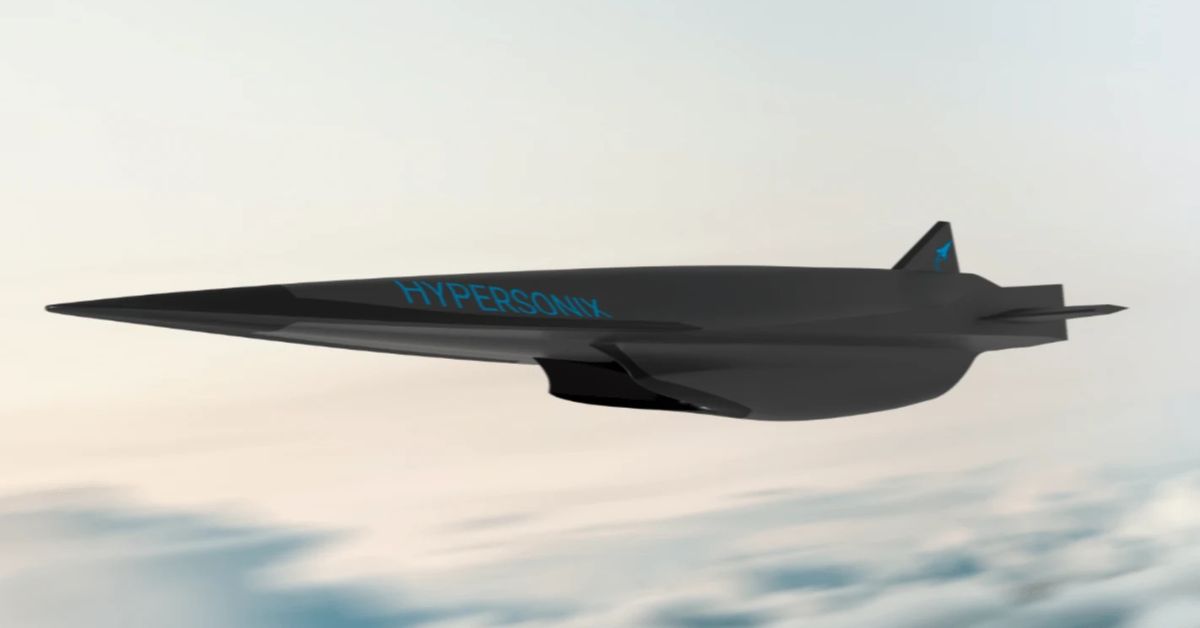
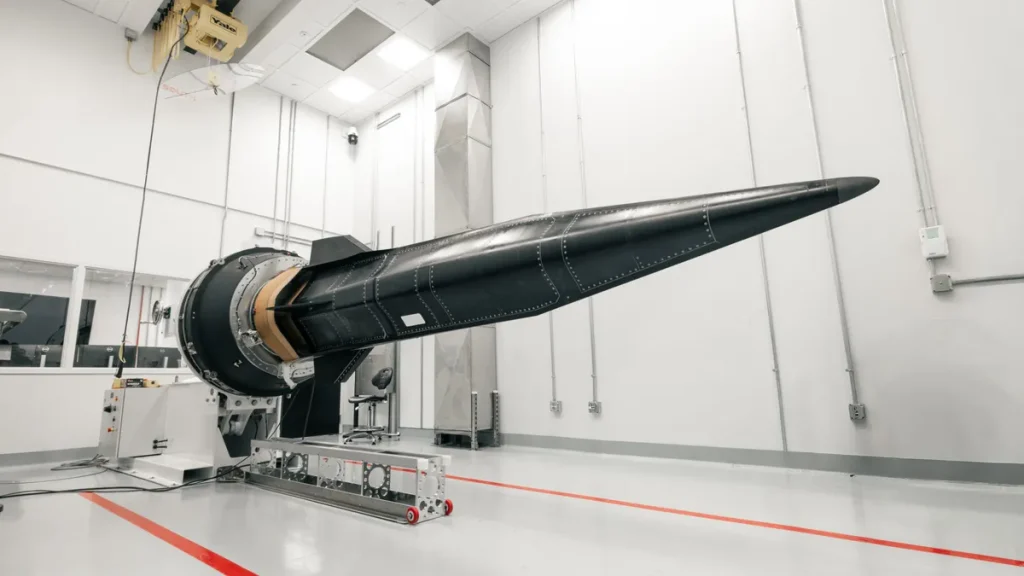
DART AE, Hypersonix’s 3.5-metre autonomous hypersonic aircraft, lifted off at 7pm US Eastern Time on Friday 27 February, which was 11am AEDT on Saturday 28 February, from Rocket Lab Launch Complex 2 at the Virginia Spaceport Authority’s Mid-Atlantic Regional Spaceport on Wallops Island, Virginia. The launch window had originally opened on 25 February but a brief delay pushed the flight to 27 February. The mission, named “That’s not a knife” by Rocket Lab and Cassowary Vex by the US Defence Innovation Unit, was conducted on behalf of US defence innovation authorities.

How the SPARTAN Scramjet Engine Works

The mission centred on the SPARTAN scramjet engine, Hypersonix’s proprietary propulsion system manufactured entirely through 3D printing and containing no moving parts. SPARTAN is designed to propel aircraft to speeds of up to Mach 12, the equivalent of 12 times the speed of sound, or 14,500km/h. At the planned deployment point, DART AE separated from the Rocket Lab HASTE rocket and SPARTAN ignited, powering the aircraft through its hypersonic flight profile and gathering technical data for the team to analyse in the coming weeks.

That propulsion technology traces back to Dr Michael Smart, Hypersonix co-founder, former chair of Hypersonic Propulsion at the University of Queensland and former NASA research scientist. Smart said the mission allowed the team to test propulsion, materials and control systems in real hypersonic conditions, and that the results would directly shape the design of future operational hypersonic aircraft. At the speeds and temperatures involved, he said, there is simply no substitute for flight data.

Hypersonix Launch Systems' DART AE
Photo Credit: Rocket Lab

Hypersonix chief executive Matt Hill described the flight as confirmation that an Australian company could design, build and operate technology in one of the most demanding flight regimes on Earth, and an important step toward delivering hypersonic systems that are operationally relevant for Australia and its allies.

A Carole Park Operation With Global Ambitions

The Hypersonix Launch Systems team operates from its Carole Park facility across aerospace engineering, advanced manufacturing and flight testing. The company currently employs more than 50 staff in Brisbane, positioning it at the forefront of Australia’s emerging hypersonic industry and making South-East Queensland a genuine hub for what has historically been a domain dominated by a handful of major powers.

That local base has attracted significant international confidence. Hypersonix raised $46 million in a Series A capital raise, led by UK-based investor High Tor Capital with support from European defence company Saab and Polish investment firm RKKVC. The National Reconstruction Fund Corporation and Queensland Investment Corporation also participated, reflecting strong backing from both domestic and international investors in the technology’s commercial and defence applications.

What Comes Next: The VISR Platform

The successful test flight accelerates more than the SPARTAN engine’s development. The capital raise is also fast-tracking Hypersonix’s next reusable hypersonic platform, VISR, short for Velos Intelligence, Surveillance and Reconnaissance, while expanding advanced manufacturing capacity in Queensland.

The Hypersonix Launch Systems model positions the company to serve both civil and defence markets as hypersonic technology matures from experimental to operational. With the Carole Park facility serving as the primary engineering and development base, the work to apply the lessons from DART AE’s maiden flight begins here.

Further information about Hypersonix Launch Systems and its programmes is available at hypersonix.com.au. The company operates from 2 Ron Boyle Crescent, Carole Park QLD 4300.


Published 2-March-2026.

Have Your Say, Forest Lake: More Homes, Sooner Consultation Opens

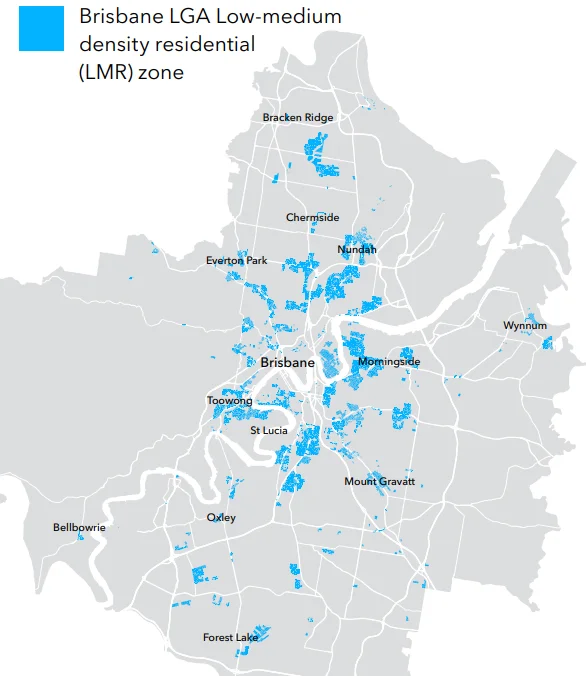
Forest Lake is one of 18 Brisbane suburbs where planning rules for low-medium density residential zones may change under the More Homes, Sooner initiative, but local residents are making clear that their support for new housing hinges on whether schools, roads and public transport can keep pace with any growth the changes deliver.


The proposed changes to the LMR zone affect pockets of Forest Lake close to public transport stops and the Forest Lake Shopping Centre on Forest Lake Boulevard. Community consultation is open until Friday 20 March 2026. Forest Lake residents have delivered a pointed and practical response, cutting through abstract planning language to ask a question local families face every day: what comes first, the homes or the infrastructure to support them?

A Suburb Already Under Pressure

Developers master-planned Forest Lake from the ground up in 1991 as Brisbane’s first purpose-designed community, creating 7,700 house lots, 120 hectares of parks and the 10.9-hectare recreational lake that defines the suburb’s identity. That deliberate design gave Forest Lake its community character, but it also created fixed infrastructure and a fixed school catchment that is now under genuine strain.

Forest Lake State High School introduced an Enrolment Management Plan in August 2025, meaning the school is operating at or near capacity and is now restricting out-of-catchment enrolments. Families already living in Forest Lake say the suburb’s secondary schooling infrastructure cannot currently absorb significant additional enrolments. Community members have raised this directly in response to the More Homes, Sooner proposals, with the concern that more dwellings means more families, and more families means more pressure on schools that are already full.

The transport picture adds to that concern. Forest Lake has no train station within its boundaries. The suburb’s main public transport connections to the city are the Route 100 CityXpress from Forest Lake Shops to the city, and the Routes 460 and 461 via the Centenary Highway and Western Freeway. For the More Homes, Sooner framework to designate areas near bus stops as Key Locations eligible for four-storey development, the frequency and reliability of those services matters enormously to residents who would rely on them.

What Is Being Proposed

The changes focus on Low Medium Density Residential LMR zones, typically located near transport corridors and shopping centres rather than across entire suburbs. The proposal would lift the base building height to three storeys across all LMR land. Properties within 400 metres walking distance of a shopping centre or a bus stop with services at least every 20 minutes during the day would qualify as Key Locations and could rise to four storeys on lots of 800 square metres or more.

More Homes, Sooner initiative
Photo Credit: BCC

In Forest Lake, only areas close to high-frequency routes would meet that threshold, while streets served by lower-frequency services would remain subject to the three-storey limit.

Minimum lot sizes would reduce to 120 square metres in some circumstances, enabling small freehold houses and terrace-style homes on compact blocks in well-serviced locations. The proposal would adjust on-site car parking requirements, reducing the requirement for two-bedroom units from two spaces to 1.5 spaces citywide and to 1.2 spaces in Key Locations, reflecting declining car ownership and the significant cost car spaces add to new homes.

Design safeguards are part of the framework, including minimum setbacks from freestanding houses, maximum building footprints and requirements for street tree planting.

Affordability: The Real Question

Beyond the infrastructure debate, Forest Lake residents have raised a point that goes to the heart of why the housing crisis persists regardless of what planning rules say. More dwellings do not automatically mean affordable dwellings. Builders and developers face rising costs for labour, materials and financing, along with the tax embedded in every new build, which pushes the price of new townhouses and compact apartments in established suburban Brisbane beyond the reach of many buyers on typical incomes.

Community members have noted that easing planning controls is only one part of the equation, and that without addressing the underlying cost of construction and the viability gap that affects smaller infill projects, the number of homes actually built as a result of these changes may be far fewer than the headline figures suggest. That concern has some grounding in recent history: new dwelling approvals across Brisbane’s LMR zones fell from around 1,100 homes per year to just 445 in 2023, not because the planning rules prevented development, but because the economics of building did not stack up.

Planning-aware residents view the initiative’s adjustment of car parking requirements as one of the more practical levers, noting that a single basement car space can add up to $82,000 to the cost of a unit. Whether that alone is enough to shift the economics meaningfully is a genuine question the community is raising through this consultation.

How to Have Your Say

Consultation on the More Homes, Sooner draft amendments is open until Friday 20 March 2026. Residents can share feedback online at brisbane.qld.gov.au by searching “More Homes, Sooner”, by emailing strategicplanninghousing@brisbane.qld.gov.au, or by calling 07 3403 8888. Written submissions can be posted to Strategic Planning (More Homes Sooner), Brisbane City Council, GPO Box 1434, Brisbane QLD 4001.

Photo Credit: BCC


Published 26-February-2026.

Annastacia Palaszczuk Honoured With Official Portrait Featuring 2032 Olympics Pin

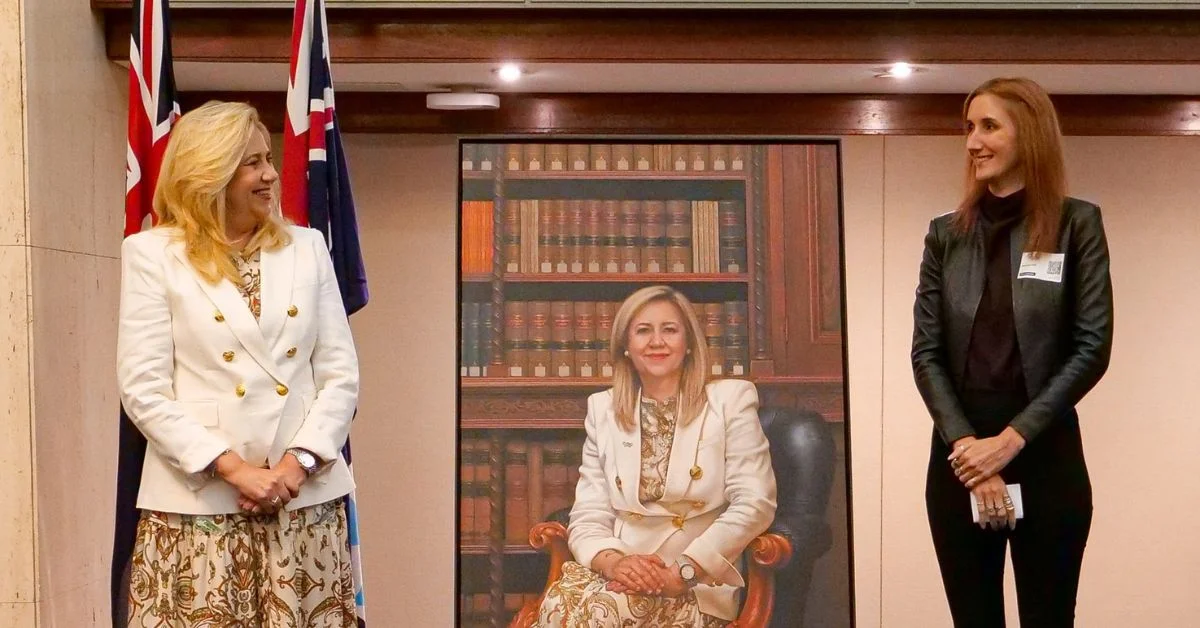
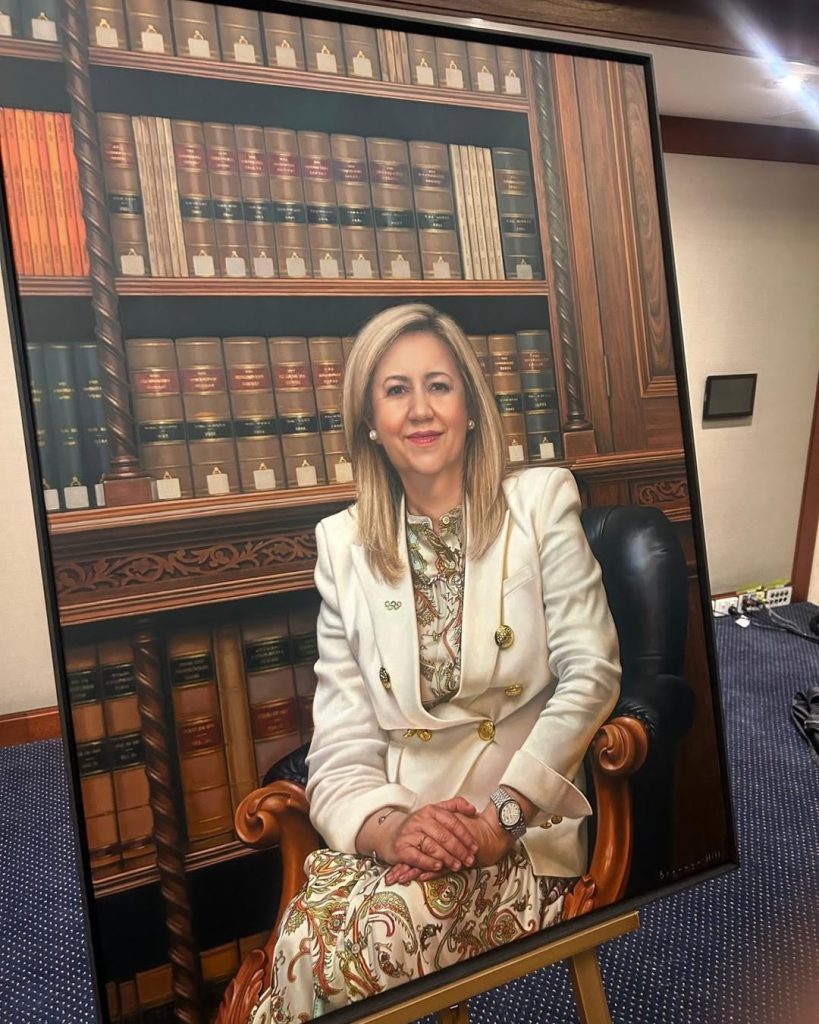
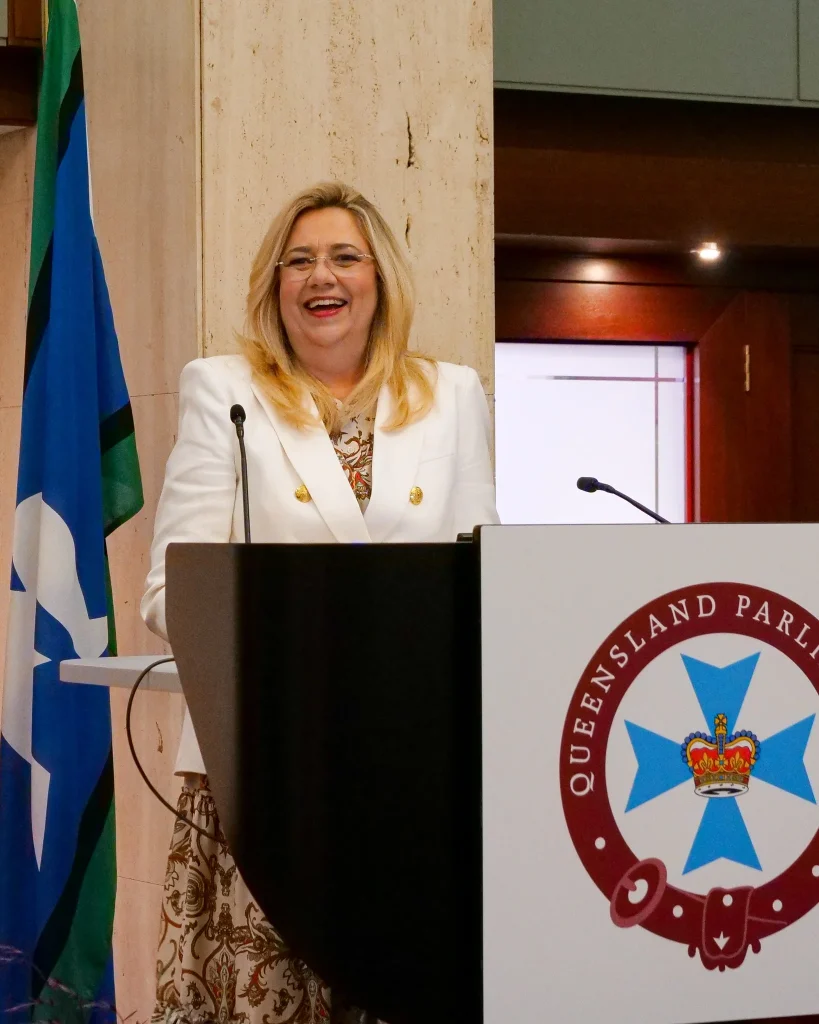
Former Queensland leader Annastacia Palaszczuk, who grew up in Inala, saw her official portrait unveiled this week, with the artwork featuring an Olympic rings pin commemorating her role in securing the 2032 Brisbane Games.


Brisbane artist Bronwyn Hill painted the portrait, which depicts a smiling Palaszczuk sitting in a reading room surrounded by books. The Olympic pin attached to her jacket in the painting was a gift from former International Olympic Committee president Thomas Bach and former Australian Olympic Committee chief John Coates.

Palaszczuk, who led Queensland for nearly nine years between 2015 and 2023, said she loved the portrait and felt it captured her essence. The artist conducted multiple sittings to get to know her subject, aiming to create a relaxed, approachable image.

Olympic Legacy Takes Centre Stage

The Olympics pin illustrated in the painting holds special meaning for the Inala native, who played a central role in bringing the 2032 Summer Olympic and Paralympic Games to Brisbane. She said getting the Games was a very big task and predicts the event will transform Queensland.

Hill said she wanted to depict Palaszczuk with both warmth and confidence, creating somebody who appears ready to listen and inviting discussion. The setting in the reading room reflected Palaszczuk’s love of reading and her appreciation for finding quiet moments away from the daily demands of leadership.

Photo Credit: QP / Facebook

Books and Changing Times

Palaszczuk predicted her official portrait would be one of the last featuring books in the background, noting that future portraits will probably feature computers and phones instead. During her time in office, she treasured the books and documents that surrounded her workspace.

Official portrait by Brownwyn Hill
Photo Credit: Corrine McMillan / Instagram

The unveiling attracted a range of guests including current Queensland leader David Crisafulli, her successor Steven Miles, Governor Jeannette Young, and several former ministers and advisers. Palaszczuk’s parents Lorelle and Henry, who himself served as a minister during the Beattie era, attended the ceremony.

Rare Female Representation in Leadership Portraits

The official portrait joins a small collection of artworks depicting women in leadership roles. Palaszczuk acknowledged being struck by the small number of portraits featuring women during her years as an elected representative, with her artwork now standing as one of only a few depicting female Queensland leaders.

Annastacia Palaszczuk
Photo Credit: QP / Facebook

The Inala local said she never dreamed she would become premier and described it as the greatest honour of her life to serve the Queensland people. She is enjoying her post-political life and does not want to make a comeback, though she misses the friendships and interactions from her years in public service.


Published 12-February-2026.