
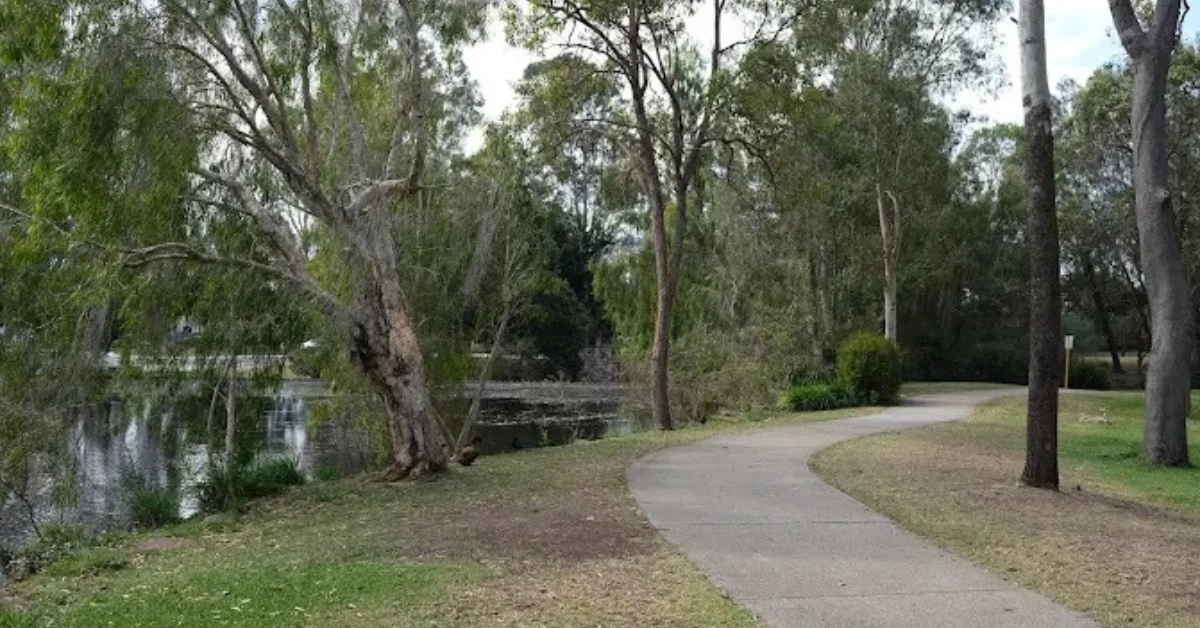
Forest Lake residents are being urged to keep their distance from bats and flying foxes after an animal was found at Cascade Drive Park, prompting a public health warning from Metro South Health.
Read: Forest Lake Being Monitored After Recent Fish Kill of Unknown Cause
The bat was found at about 3pm on Sunday, November 8, at the park off Kondalilla Parade. Metro South Health’s Public Health Unit said the animal’s health status was unclear, but warned that any Australian bat could potentially carry Australian Bat Lyssavirus (ABLV).
The November 11 warning comes amid increased bat activity and more reports of interactions between people and bats. Although the risk to the broader community is considered low, anyone who had direct contact with the animal has been advised to call 13 HEALTH on 13 43 25 84 as soon as possible for an assessment.
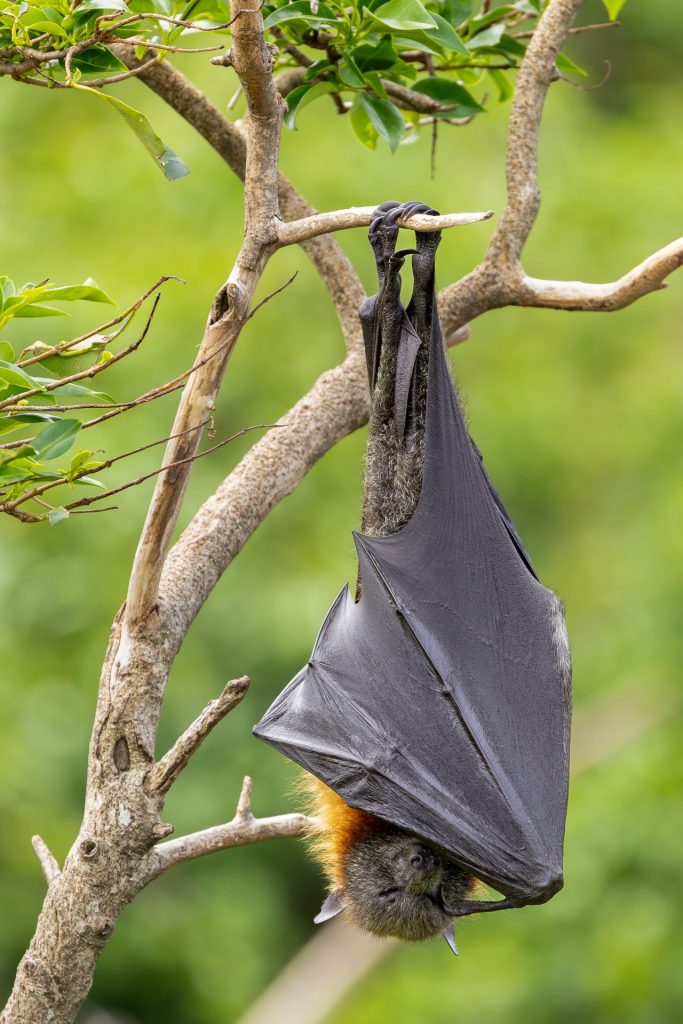
Residents are also being reminded not to touch or pick up bats, even when the animals appear sick, injured or unable to fly. Metro South Health public health doctor Dr Ben Brimblecombe said people could be exposed to ABLV when they attempted to handle bats. The animals may be encountered in residential areas, backyards and public places, making it important to leave them undisturbed.
Parents are being encouraged to explain the risks to children and make sure they know not to approach or handle bats. Children who are bitten or scratched should tell a parent, teacher or another responsible adult immediately. Dr Brimblecombe also stressed that children should not be afraid of getting into trouble if they report an encounter with a bat.
Why health officials are concerned
Australian Bat Lyssavirus is closely related to the rabies virus and can cause a serious illness affecting the nervous system. According to the Australian Centre for Disease Control, human ABLV infections are rare, but the disease is almost always fatal once symptoms develop.
The virus is transmitted when saliva from an infected bat enters the body. This can happen through a bite or scratch, contact with broken skin, or exposure to the eyes, nose or mouth.
Early symptoms can resemble the flu, with fever, fatigue, headaches, loss of appetite and pain or weakness around the site of infection. More severe symptoms can include paralysis, delirium and seizures.
Symptoms may take weeks or months to appear and, in some cases, can develop several years after exposure. Anyone who may have been exposed should therefore seek medical attention immediately rather than waiting for signs of illness.
What to do after contact with a bat
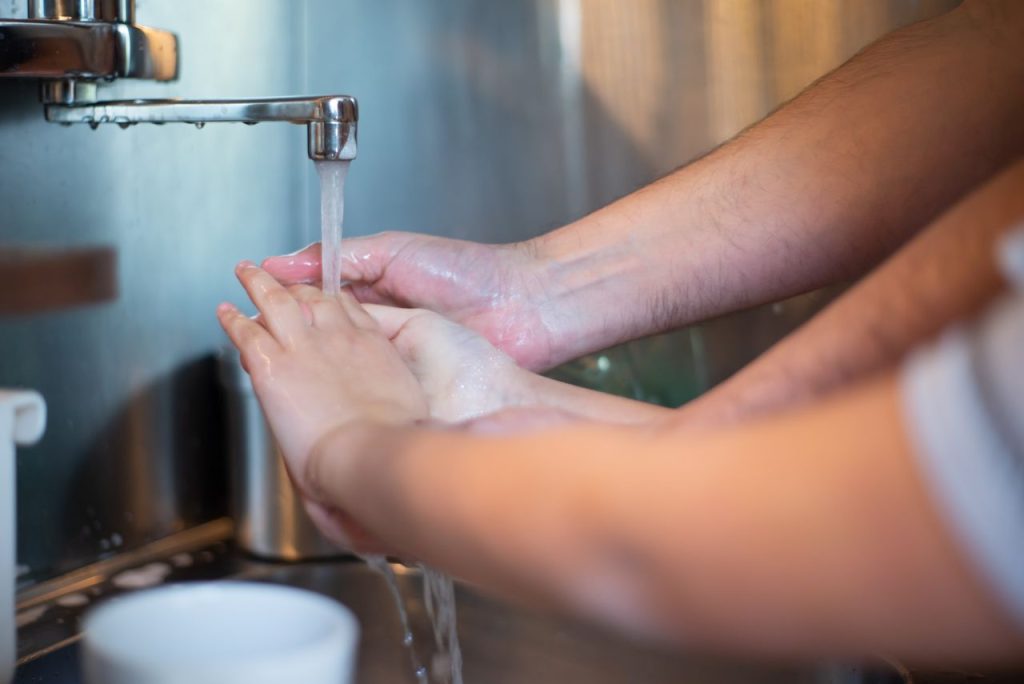
Queensland Health advises anyone bitten or scratched by a bat to wash the affected area gently and thoroughly with soap and clean water for at least 15 minutes. An antiseptic with antiviral properties should be applied afterwards, if available, and urgent medical assessment should follow.
People who get bat saliva in their eyes, nose or mouth should flush the affected area with water for several minutes before seeking urgent medical attention.
Previous rabies vaccination does not remove the need for assessment. Additional post-exposure treatment may still be necessary, depending on the circumstances.
Read: Forest Lake Residents Petition To Return Lake To Its Former Beauty
Residents who encounter an injured bat or flying fox should not attempt to rescue or transport it themselves. Metro South Health recommends contacting the RSPCA on 1300 ANIMAL or a local wildlife care group.
Queensland Health advises that only trained and vaccinated handlers with appropriate protective equipment should handle bats. The warning does not mean residents need to avoid outdoor areas where bats are present. The important distinction is to leave the animals alone and seek prompt medical advice if direct exposure occurs.
Bat Contact: What Forest Lake Residents Should Know
If you have had direct contact with a bat
- Call 13 HEALTH on 13 43 25 84.
- Wash bites or scratches with soap and clean water for at least 15 minutes.
- Apply an antiseptic with antiviral properties, if available.
- Seek urgent medical attention.
If bat saliva enters your eyes, nose or mouth
- Flush the affected area with water for several minutes.
- Seek urgent medical attention.
If you find an injured bat
- Do not touch or attempt to rescue it.
- Contact the RSPCA on 1300 ANIMAL or a local wildlife care group.
Important: Only trained and vaccinated handlers should handle bats.
Published 12-November-2026